 blog
blog
Alternatives to Hiring a Private Investigator for Cheating
Table of Contents
- Why People Consider Hiring a Private Investigator for Infidelity
- Direct Communication: How to Talk to Your Partner About Suspected Cheating
- Polygraph Testing for Cheating: A Consent-Based Alternative
- Couples Counseling for Infidelity: Addressing Trust and Rebuilding
- Self-Investigation Methods: What You Can Do Yourself
- Comparing Costs, Risks, and Reliability Across Your Options
- When a Private Investigator or Professional Help Makes Sense
- Moving Forward: A Decision Framework for Your Situation
- Frequently Asked Questions
Last Updated: October 4, 2026
Why People Consider Hiring a Private Investigator for Infidelity
When suspicion creeps in, hiring a private investigator feels natural, you want proof and certainty. But alternatives to hiring a private investigator for cheating often deliver the clarity you need without the cost, legal risk, or relationship damage that comes with surveillance.
Alternatives to hiring a private investigator for cheating often deliver the clarity you need without the cost, legal risk, or relationship damage that comes with surveillance.
Direct Communication: How to Talk to Your Partner About Suspected Cheating
The simplest alternative is asking directly. Many infidelity situations resolve through honest conversation before either party brings in outside help.

Preparing for the conversation
Decide what you want from the conversation: reassurance, confession, or explanation. Going in without clarity leads to circular arguments.
Write down specific observations, not accusations. "You've been staying late at work three nights a week" invites explanation; "You're obviously cheating" triggers defensiveness.
Choose a calm, private time with at least an hour available.
Using an infidelity conversation script
Start with observations, then ask open questions: "I've noticed [behavior]. I'm concerned. Can you help me understand?" Listen without interrupting. Follow with direct questions: "Are you involved with someone else?" This works only if you genuinely want to hear the answer.
Polygraph Testing for Cheating: A Consent-Based Alternative
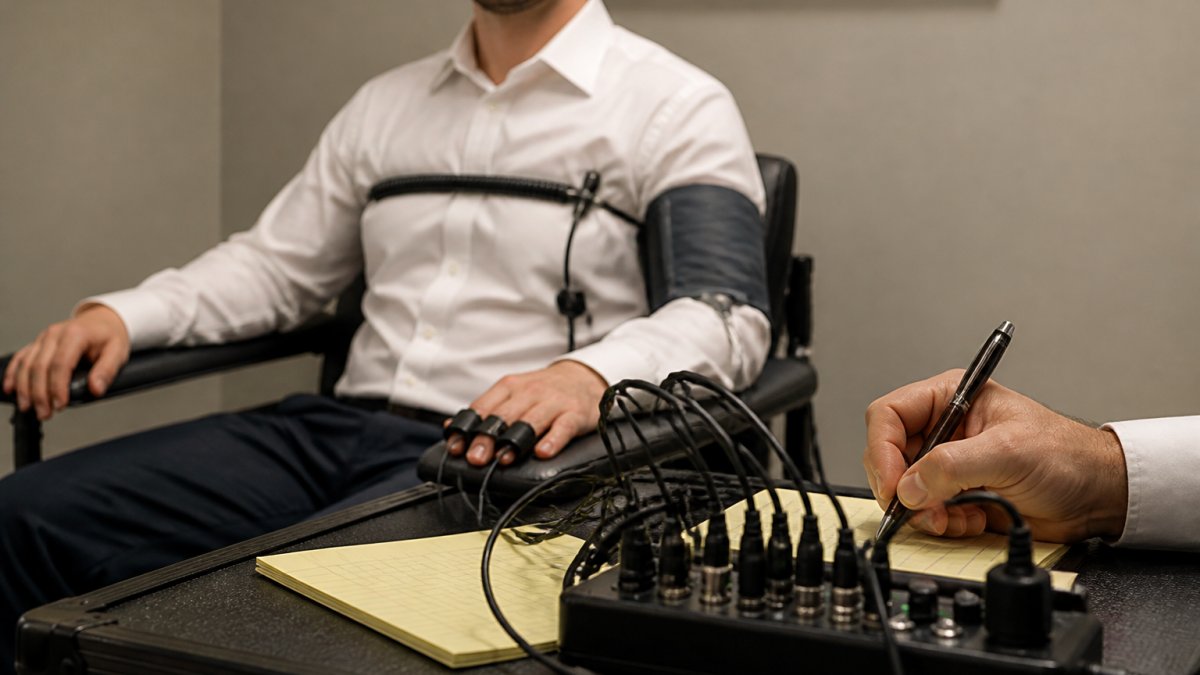
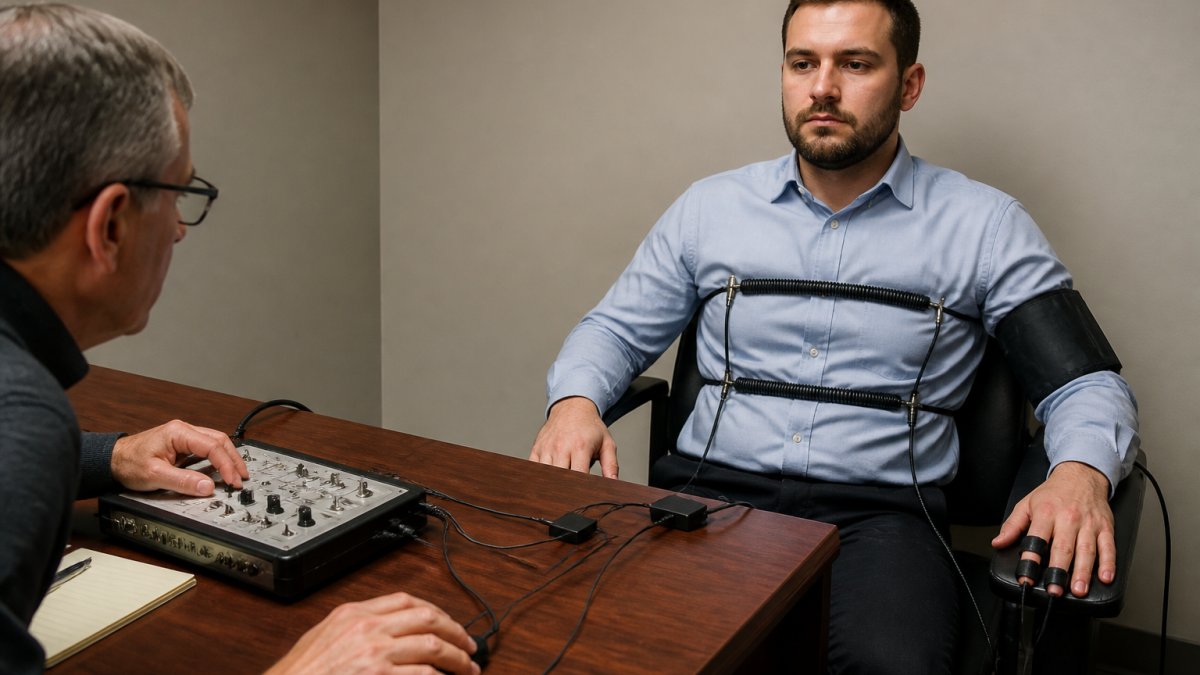
A polygraph examination is a structured, voluntary alternative to hiring a private investigator for cheating. It requires consent from both parties and provides a documented result.
The polygraph measures physiological responses, heart rate, blood pressure, breathing, skin conductivity, while an examiner asks specific questions about infidelity. It measures stress responses, not truth.
Both partners agree to the process, results are recorded in writing, and you have a documented baseline you both acknowledged.
Many couples use polygraph testing as a trust-rebuilding milestone. It's transparent and consensual in ways surveillance never can be.
At API Polygraph, we conduct these examinations following American Polygraph Association standards with certified examiners who bring real investigative experience.
Couples Counseling for Infidelity: Addressing Trust and Rebuilding
Couples counseling addresses the root problem: the breach of trust and relationship dynamics that allowed infidelity. A therapist helps you understand why it happened and whether trust can be rebuilt. This works only if both partners commit and are willing to be vulnerable. It takes weeks or months and costs $100-$250 per session, but it's more valuable than investigation if you want to save the relationship.
Self-Investigation Methods: What You Can Do Yourself
You can gather information without hiring anyone, but the line between lawful observation and illegal surveillance is sharp. Understanding that boundary protects you and keeps evidence usable.
What you can legally observe and document
Lawful self-investigation relies on information already visible to you or information you obtain with consent. This includes:
Behavioral patterns you directly witness. If your partner says they're at the gym but comes home without sweating, or receives a text and immediately leaves the room, that's an observation. Keep a simple log with dates, times, and specific observations. This documentation is admissible in court because it's based on direct observation.
Information from public sources. Social media posts, check-ins, and tagged photos are fair game. Screenshot with date and URL visible.
Information shared by others with consent. Talking to friends, family, or coworkers is legal, but they may warn your partner you're asking questions.
Financial records you have legal access to. If married or sharing accounts, you have legal access to joint statements. Unusual charges or recurring payments to unfamiliar vendors are legitimate observations. Sole-name accounts are off-limits.
What crosses the legal line
These methods are illegal and carry serious consequences:
Location tracking without consent. Using GPS, tracking apps, or AirTags without knowledge violates federal wiretapping laws (18 U.S.C. § 2511). Penalties include criminal charges, civil liability, and loss of parental rights in custody cases.
Accessing accounts or devices without permission. Logging into email, social media, or cloud storage without authorization is a federal crime (18 U.S.C. § 1030). Penalty: up to 10 years in prison and $250,000 in fines.
Installing spyware or monitoring software. Apps marketed as "spouse monitoring" are illegal without consent. They violate wiretapping and computer fraud laws.
Hiring someone to follow, photograph, or surveil your partner. Licensed investigators operate within legal bounds and their evidence is admissible in court. However, you may face liability if surveillance violates privacy laws or involves trespassing.
Recording conversations without consent. Eleven states require all-party consent to record (California, Florida, Illinois, Maryland, Michigan, Montana, New Hampshire, Pennsylvania, Washington). Check your state's law before recording.
How to know what evidence will actually hold up
Observations you make directly are admissible in court. "I noticed my spouse came home at 2 AM three times last week" is testimony. Photos you take of your partner in public are admissible. Financial records you have legal access to are admissible.
Evidence obtained illegally is inadmissible and can backfire. If you obtained it through unauthorized account access, tracking, or spyware, a judge will exclude it. More importantly, the court may view your conduct as evidence of your own unreliability, especially in custody cases. You may face criminal charges.
In family law, judges care about what you did to get the evidence as much as what the evidence shows. Illegal surveillance can cost you custody, visitation, or settlement leverage. It's not worth the risk.
A practical framework for self-investigation
Before you take any action, ask yourself: Am I doing this because I directly observed something, or am I trying to access information I don't have a legal right to see? If it's the latter, stop. If it's the former, document it clearly with dates and specifics. Keep the documentation secure. If you need to use it later, consult a family law attorney about what's admissible in your jurisdiction before you share it with anyone.
Comparing Costs, Risks, and Reliability Across Your Options
Each alternative delivers different kinds of information and carries different consequences. The right choice depends on what you actually need to know and what you're willing to accept as an answer.
Understanding what each approach can and cannot deliver
Direct conversation costs nothing but delivers only what your partner chooses to tell you.
Polygraph testing costs $500-$2,000 for a full examination and produces a documented result within days. The test measures physiological stress responses to specific questions about infidelity.
Legal self-investigation costs nothing and carries no legal risk if done correctly. It produces evidence of patterns, not proof of infidelity. This evidence is admissible in court.
Illegal surveillance (tracking, account access, spyware) carries serious legal consequences including criminal charges and loss of custody. Any proof obtained is inadmissible in court. This approach fails in almost every scenario.
Private investigator costs $1,500-$5,000+. A licensed investigator produces admissible reports and testimony. This works for custody or divorce disputes; it fails when you need answers for personal reasons only.
A decision matrix: matching your goal to the right approach
For personal reassurance: Direct conversation or polygraph testing. Both are low-cost and fast.
To save the relationship: Couples counseling. It addresses the breach of trust and gives you tools to rebuild.
For custody or divorce disputes: Legal self-investigation with attorney guidance, or a licensed private investigator. Avoid illegal surveillance, it will be discovered and used against you.
When alternatives haven't worked: Consult a family law attorney about what evidence is relevant. If legal action is likely, hire a licensed investigator.
The hidden cost of each approach: what you give up
Direct conversation risks a denial you can't verify and a damaged relationship if your partner feels accused. Couples counseling requires vulnerability and time; it doesn't work if one partner is unwilling. Polygraph testing requires consent and produces results that may be inconclusive. Legal self-investigation produces patterns, not proof, and takes weeks or months. Private investigation costs thousands and may still not deliver definitive proof. Illegal surveillance costs you legally and may cost you custody.
There is no perfect option. Every approach involves trade-offs. The question is which trade-off you can live with and which outcome actually matters for your next step.
When a Private Investigator or Professional Help Makes Sense
Professional investigation makes sense for custody battles, hidden assets, or criminal activity. For most infidelity concerns, alternatives deliver what you need. An investigator is also appropriate if you've tried alternatives and they haven't worked.
Moving Forward: A Decision Framework for Your Situation
Start here: What do you actually need?
If you need reassurance or clarity for yourself: Direct conversation or polygraph testing. Both are low-cost and don't require legal action.
If you want to save the relationship: Couples counseling. It addresses the trust breach and gives you tools to rebuild.
If you're in a custody or divorce dispute: Document what you can legally observe.
If you've tried alternatives and still have doubt: A polygraph examination with full consent from both parties provides a documented baseline.
If you're considering illegal surveillance: Don't. The legal consequences outweigh any benefit. Speak to a lawyer about what's legal in your situation.
Trust matters more than certainty.
If you're facing infidelity and need a consent-based way to verify the truth, polygraph testing offers clarity without the invasiveness of surveillance.
Frequently Asked Questions
What are the main risks of hiring a private investigator for suspected infidelity?
Private investigator surveillance can violate state wiretapping and stalking laws, especially if it involves phone monitoring or GPS tracking without consent. Evidence gathered illegally may be inadmissible in court, and confronting a partner with illegally obtained information can escalate conflict and damage trust further. Costs are often high ($1,500-$5,000+), with no guarantee the investigator will find evidence. Many people find that direct communication or professional counseling addresses the underlying trust issue more effectively than surveillance.
Can a polygraph test for cheating help resolve infidelity questions?
A voluntary polygraph test for cheating can provide clarity when both partners consent to the examination. The test measures physiological responses to questions about infidelity and is administered by a certified examiner following American Polygraph Association standards. Results are often inadmissible in court, but they can help a couple understand the facts and decide whether to pursue counseling, separation, or reconciliation. The key difference from surveillance is that the partner agrees to participate, preserving consent and respect.
Is it legal to track a partner's location without their knowledge?
No. Tracking a partner's location using GPS, phone apps, or other monitoring tools without their knowledge violates federal wiretapping laws and state stalking statutes. Even spouses cannot legally monitor each other without consent. Violation can result in criminal charges, civil liability, and evidence exclusion in divorce or custody proceedings. If you suspect infidelity, direct conversation, professional counseling, or a voluntary polygraph examination are legal alternatives that respect consent and privacy.
How do I decide between talking to my partner, seeking counseling, or pursuing a polygraph test?
Start with direct conversation if you feel safe doing so. If communication breaks down or you need objective verification, couples counseling provides professional mediation and can address underlying trust issues. A voluntary polygraph test is useful when both partners consent and want a factual answer to move forward. If you suspect criminal behavior or have safety concerns, consult an attorney. The best choice depends on your safety, the relationship's status, and whether both partners are willing to engage honestly.