 how-to
How to Conduct a Full Disclosure for Infidelity
Table of Contents
- Why Full Disclosure Matters After Infidelity
- Preparing for the Disclosure Conversation
- Staggered Disclosure vs Full Disclosure: Understanding the Difference
- Writing an Infidelity Disclosure Statement
- Key Infidelity Disclosure Questions to Prepare For
- Conducting the Disclosure Conversation
- The Role of a Therapist in Full Disclosure
- Aftercare and Moving Forward
- Frequently Asked Questions
Last Updated: October 11, 2026
Why Full Disclosure Matters After Infidelity
Learning how to conduct a full disclosure for infidelity means sharing complete, honest information about an affair, answering difficult questions truthfully and helping your partner understand what occurred so they can make informed decisions about the relationship.
Without full disclosure, the betrayed partner is left guessing and unable to decide whether reconciliation is possible. Partial truths create "trickle truth", information that emerges slowly over weeks or months, forcing the betrayed partner to process the same betrayal repeatedly.
Preparing for the Disclosure Conversation
Creating a Safe Environment
Choose a private, neutral space where neither person feels trapped or rushed. A therapist's office or having a therapist present provides both structure and safety.
Set aside several hours when neither person is exhausted, angry, or distracted, and neither has to leave suddenly. Interruptions will only make the conversation harder.
Agree beforehand not to abandon the conversation. If emotions become overwhelming, take a short break but commit to returning.
Deciding on Professional Support
A trauma-informed therapist keeps the conversation focused, prevents it from becoming abusive, and helps both people stay present with difficult emotions.
Some couples have the therapist present during disclosure; others prepare beforehand and have the conversation alone.
Consult with a therapist beforehand to determine what information is relevant and how to present it without causing unnecessary harm.
Staggered Disclosure vs Full Disclosure: Understanding the Difference
Staggered disclosure means revealing information about the affair in stages over time, with new details emerging weeks or months later.
Full disclosure for infidelity means sharing all relevant information in one conversation or planned series with a therapist: who the affair partner was, when it started and ended, frequency of contact, sexual or emotional activities, and any ongoing health or safety risks.
Research shows staggered disclosure causes more harm than full disclosure. Each new revelation feels like a fresh betrayal, and the betrayed partner begins to wonder what else is being hidden.
Full disclosure is harder initially but allows the betrayed partner to process the truth and demonstrates the unfaithful partner's willingness to be vulnerable, crucial for rebuilding trust.
Writing an Infidelity Disclosure Statement
What Information to Include
A written disclosure statement creates a record, allows the betrayed partner to process information at their own pace, and prevents later disputes about what was said.
The statement should cover:
- The timeline: when the affair started, how long it lasted, and when it ended
- Frequency and locations: how often you were in contact with the affair partner, where you met
- The nature of the relationship: whether it was purely sexual, emotional, or both
- How the affair was hidden: what lies were told, what excuses were used, how you covered your tracks
- Any risks to the betrayed partner: sexually transmitted infections, financial consequences, or exposure to the affair partner's family or friends
- Why it happened: your state of mind, what was missing in the marriage, what vulnerabilities you exploited
- What you've done since: whether contact with the affair partner has ended completely, whether you've sought help, what changes you've made
Avoid minimizing language or excuses that shift blame. Own your choices.
How to Organize Your Account
Structure the statement chronologically: how you met the affair partner, the timeline, key moments, and the end.
Use specific language: instead of "we spent time together," write "we met at a hotel on Thursday evenings for two hours."
Address the impact: what the affair cost your marriage, what risks it created, and what you understand about your own choices.
End with accountability: what you're doing to prevent this from happening again and what professional help you're seeking.
Keep the statement to 2-4 pages; longer statements often become defensive.
Key Infidelity Disclosure Questions to Prepare For
Questions About the Affair Itself
The betrayed partner will likely ask detailed questions about what happened. Prepare yourself to answer:
- Who is the affair partner? What's their name, age, occupation, and how do you know them?
- When did it start? What was the first contact and what made you cross the line?
- How long did it last? When did it end and why?
- How often did you see them or communicate? Daily? Weekly? Multiple times per week?
- What did you do together? Were there sexual activities, and if so, what kinds?
- Did you use protection? Are there any health risks?
- Did you tell them about your marriage? Did they know you were married?
- Have you had any contact since it ended? Is there any ongoing risk?
- Did anyone else know? Friends, family, coworkers?
- Did you spend money on them? Where did it come from?
Answer each question directly. If you don't know, say so.
Questions About Your Relationship and Honesty
The betrayed partner will also ask harder questions about what the affair reveals about you and your marriage:
- Why did you do this? What were you looking for that you weren't getting at home?
- How long were you considering this before it happened?
- Did you think about how it would affect me?
- What lies did you tell me to cover this up? When did you start lying?
- Have there been other affairs or betrayals I don't know about?
- Can I trust anything you've told me about our marriage?
- What's different now? Why wouldn't you do this again?
These questions don't have easy answers. Genuine reflection matters more than specific words.
Conducting the Disclosure Conversation
Knowing how to conduct a full disclosure for infidelity requires both partners to show up with intention: the unfaithful partner prepared to answer questions without defensiveness, the betrayed partner prepared to listen to painful truths.

State your intention: "I'm here to tell you the truth about what happened and give you the information you need to decide what comes next."
Read your written statement aloud so your partner hears your words and tone, preventing later misinterpretation.
After sharing the statement, pause and let the shock settle before opening the floor for questions.
How to Listen and Respond to Emotional Reactions
The betrayed partner may cry, become angry, or sit in stunned silence. Stay present and don't try to manage their emotions.
Don't say "I know this is hard" or "I understand how you feel." Let them feel what they feel without commentary.
If they become angry, stay calm and don't become defensive. Their anger is about the betrayal, not how you're delivering the truth.
If they ask for time alone, give it but stay nearby. Abandoning them after disclosure can feel like another betrayal.
If they ask the same question multiple times, answer it the same way each time. Consistency matters.
When to Pause or Seek Professional Help
If either person becomes suicidal or violent, pause and seek immediate help.
If the conversation becomes abusive, pause and reschedule with a therapist present. Vulnerability can't happen in an unsafe environment.
If you can't answer honestly, say so. Work with a therapist to determine whether that information is crucial to their healing.
The Role of a Therapist in Full Disclosure
A trauma-informed or couples therapist brings several things to a disclosure conversation that most people can't provide for themselves.
During the conversation, the therapist keeps both people focused on the disclosure itself rather than letting the conversation spiral into blame, defensiveness, or old arguments.
After disclosure, the therapist helps both partners process what was shared. The betrayed partner often needs support in deciding what comes next. The unfaithful partner needs help understanding the impact of their choices and committing to genuine change.
Therapy also addresses the broader relationship issues that may have contributed to the affair. This isn't about blaming the betrayed partner, it's about understanding the vulnerabilities that made infidelity possible and building a stronger foundation going forward.
Aftercare and Moving Forward
What to Expect in the Days and Weeks After
The period immediately following disclosure is often the hardest. The betrayed partner has the full truth now, and the weight of it can feel crushing.
The unfaithful partner often feels relief at finally being honest, but that relief can feel wrong or even cruel given their partner's pain. This mismatch in emotional experience can create distance.
Both partners need support during this time. Individual therapy for each person, combined with couples therapy, helps both people process what disclosure has revealed.
Expect the betrayed partner to need reassurance repeatedly. They may ask the same questions again. They may struggle with trust even when you're being honest. This is normal.
Some couples find that physical affection becomes impossible for a while. Others need it more than ever. Follow the betrayed partner's lead.
When Truth Verification or Professional Testing May Help
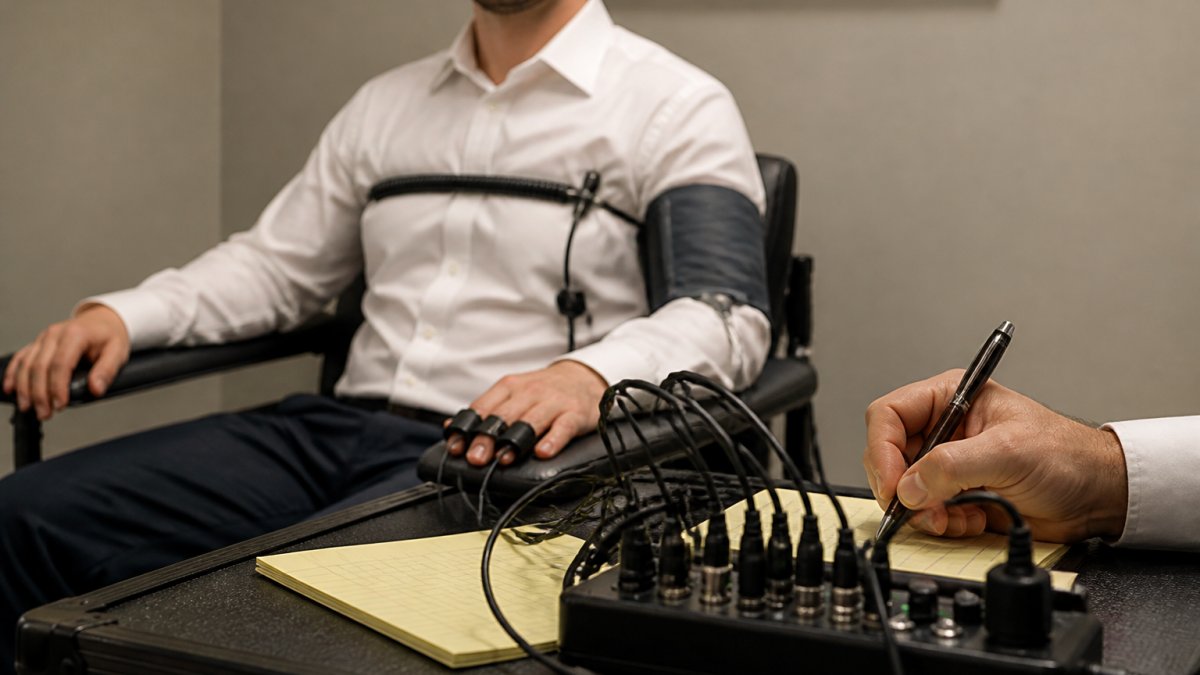
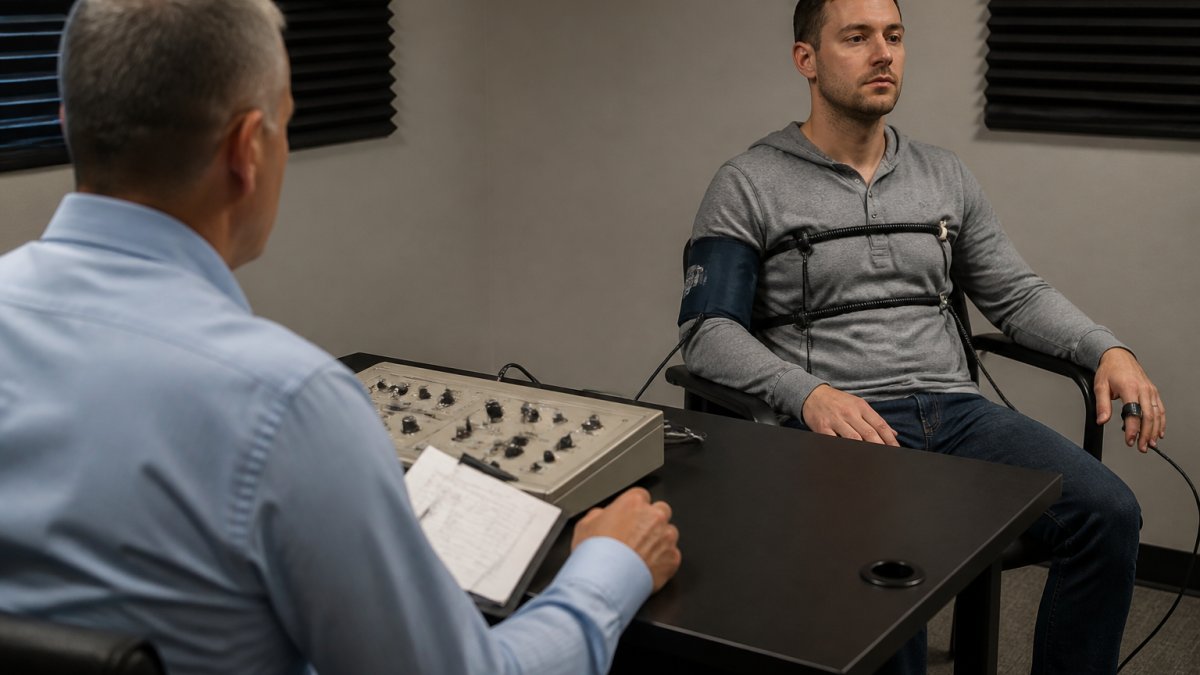
In some cases, the betrayed partner remains uncertain about whether they've received the full truth. Professional polygraph testing, conducted by a certified examiner following ethical guidelines, can provide objective verification (Polygraph Validity Research).
Testing isn't about punishment. It's about giving the betrayed partner concrete evidence that they can trust what they've been told.
The results provide clarity. If the test confirms what was disclosed, it removes doubt. If it reveals inconsistencies, it gives the couple a chance to address what was still hidden.
At API Polygraph, we work with couples and individuals navigating infidelity concerns. Our certified examiners conduct confidential, consent-based polygraph examinations following American Polygraph Association standards.
Full disclosure for infidelity is difficult, but it's the only path toward genuine healing or informed decision-making.
If you're facing infidelity concerns and need objective truth verification to move forward, API Polygraph provides confidential polygraph examinations and expert guidance. Call 800-662-1571 or email truth@apipolygraph.com to discuss your situation privately.
Frequently Asked Questions
What should be included in an infidelity disclosure statement?
An infidelity disclosure statement should include a complete timeline of the affair, the identity of the other person (if known), frequency and nature of contact, locations where meetings occurred, and honest answers about sexual contact. Include specific dates, how the affair was hidden, and any lies told to cover it up. Avoid minimizing details or offering explanations that shift blame. The statement should address the betrayed partner's likely questions about what happened, when, and why the deception continued. Written accounts help prevent trickle-truth disclosures that can re-traumatize the betrayed partner over weeks or months.
How do you decide between staggered disclosure and full disclosure?
Full disclosure means sharing all relevant information at once, which most therapists recommend for genuine healing and rebuilding trust. Staggered disclosure involves revealing information gradually over time, which often prolongs betrayal trauma and damages credibility further. Choose full disclosure if you're committed to transparency and rebuilding the relationship. Staggered disclosure may only be appropriate in rare circumstances where a therapist advises it for safety or mental health reasons. The unfaithful partner's comfort should never drive the choice, the betrayed partner's need for truth and informed decision-making takes priority.
What are the most important infidelity disclosure questions a betrayed partner should ask?
Key questions include: How long did the affair last? How many times did you meet or communicate? What specifically happened sexually? Did you use protection? How did you hide this from me? What lies did you tell? Do you still have contact with this person? Why did you choose to have the affair? Have you been tested for sexually transmitted infections? These questions address timeline, sexual health, deception patterns, and the unfaithful partner's accountability. The betrayed partner should ask follow-up questions until they have a clear, consistent account. A therapist can help frame questions respectfully while ensuring nothing important is avoided.
Should infidelity disclosure happen with a therapist present?
Yes, working with a trauma-informed or couples therapist during disclosure is strongly recommended. A therapist can help the unfaithful partner stay accountable, assist the betrayed partner in processing the information safely, and intervene if the conversation becomes unsafe or unproductive. The therapist can also help frame clarifying questions, manage emotional reactions, and plan next steps. If immediate therapy isn't available, at least schedule a session shortly after disclosure to process what was shared. Professional guidance significantly improves the chances of honest communication and reduces the risk of re-traumatization.