 how-to
Book Private Polygraph Test Online: Step-by-Step
Table of Contents
- How to Book a Private Polygraph Test Online
- Polygraph Examiner Qualifications and Credentials
- How to Prepare for a Polygraph Test
- How Long Does a Polygraph Test Take
- Private Polygraph Test Cost and Payment
- Privacy, Confidentiality, and Your Results
- What Happens During Your Polygraph Examination
- Frequently Asked Questions
Last Updated: October 6, 2026
How to Book a Private Polygraph Test Online
What Online Booking Actually Means
Booking a private polygraph test online doesn't mean the examination happens remotely. It means you schedule your appointment through a digital platform rather than calling an office. The actual examination takes place in person with a certified examiner in a controlled environment.
This distinction matters because some services advertise "online polygraph tests" when they only offer online scheduling for in-person exams. Remote testing isn't possible: the equipment requires direct physical connection, and the examiner must observe your physiological responses in real time.
When you book private polygraph test online with a legitimate service, you provide basic information, select a time slot, and confirm your appointment. The test happens at a testing center or private location on the scheduled date.
The Booking Process: Start to Finish
The typical process for booking a private polygraph test online involves five steps. First, visit the examiner's website or booking platform and select the type of examination you need: infidelity testing, employment screening, criminal defense, or another category. Second, complete a brief intake form describing your situation confidentially so the examiner can confirm they can help.
Third, choose your preferred date and time; most examiners offer flexible scheduling for urgent situations. Fourth, review the testing agreement, privacy policy, and examination details to confirm your consent. Finally, you receive a confirmation email with appointment details, location, parking information, and preparation instructions.
Many services also offer a phone consultation before you commit, helping you decide if testing is right and which examination fits your needs.
Polygraph Examiner Qualifications and Credentials
How to Verify an Examiner's Certification
A qualified polygraph examiner should hold current certification from the American Polygraph Association (APA) or a similar recognized body. Ask directly for their certification number, then cross-reference it against the APA's searchable directory of certified examiners.
Look for examiners with formal training in polygraph administration. Many states require licensing or registration, so verify state credentials too, and ask about their investigative background, experience with cases like yours, and years conducting examinations.
Legitimate examiners are transparent about their qualifications, providing documentation and answering questions about their methodology. If an examiner is vague or resists verification, that's a red flag. At API Polygraph, our examiners bring real law enforcement background and APA certification, credentials that matter when accuracy and admissibility are on the line.
Why Investigative Experience Matters
An examiner with investigative background brings practical skills that technical training alone doesn't provide: conducting a pre-test interview, recognizing deceptive behavior patterns, building rapport with nervous clients, phrasing questions clearly, and maintaining the controlled environment the test requires.
Investigative experience also means the examiner has handled complex cases, custody disputes, criminal defense situations, and employment investigations. They understand the legal context where results may be presented in court, what makes a test admissible, and what errors could compromise your results.
An examiner with years in law enforcement or professional investigations brings credibility if your results are used in legal proceedings. They can testify as an expert witness, explain their methodology to a judge or attorney, and defend their findings under cross-examination.
How to Prepare for a Polygraph Test
Before Your Appointment
Preparation begins days before your examination. Get adequate sleep the night before, since fatigue can skew results. Avoid caffeine, stimulants, and alcohol for at least 24 hours before testing, as these alter your baseline nervous system response and make accurate measurement difficult.
Wear comfortable clothing allowing easy access to your arms and torso, where sensors attach, and avoid heavy jewelry or bulky clothing. Arrive 10-15 minutes early, and bring a valid photo ID plus any relevant documentation, court orders, attorney contact information, or case details.
Most importantly, be honest with yourself about why you're testing. Polygraph examinations work best when you're seeking genuine answers, not manipulating results. The test measures involuntary physiological responses, so your body reacts to deception regardless of your conscious intention to hide it.
Common Mistakes to Avoid
The biggest mistake is trying to "beat" the test through breathing techniques, mental tricks, or physical countermeasures. These tactics don't work: examiners are trained to recognize manipulation attempts, which often produce the same physiological response as deception. Be honest from the start.
Another common error is providing incomplete information during the pre-test interview. The examiner needs your full situation to construct appropriate questions; if you hold back details or misrepresent facts, they can't design an examination that answers your actual question.
Don't assume you know how you'll respond. Many people are surprised by their own reactions, expecting nervousness but finding calm, or vice versa. The examination measures actual physiological response, not your prediction, so stay open to whatever the results show.
How Long Does a Polygraph Test Take
Timeline for Exam Day
The pre-test consultation alone often takes 30-45 minutes, during which the examiner reviews your situation, explains the process, discusses the questions, and answers your concerns.
The examiner monitors your responses and adjusts questions if needed. Afterward, you'll spend 15-20 minutes discussing results.
Complex cases involving multiple areas of concern or detailed questioning take longer, while straightforward cases may conclude faster. The examiner will give you a realistic time estimate during your pre-test consultation.
Private Polygraph Test Cost and Payment
What Affects Pricing
The cost of a private polygraph test varies by several factors: the type of examination, your location, whether you need a written report, and whether results might be used in legal proceedings.
Fees also depend on the examiner's experience and credentials. Court appearances as an expert witness carry separate fees, and rush or unusual scheduling may carry premium charges.
For specific pricing, contact the examiner directly or visit their website.
Payment Security and Cancellation
Always verify the examiner's website uses secure payment processing before entering credit card information. Look for HTTPS encryption and security badges, and note that reputable examiners use established payment processors and don't store full card numbers on their servers.
Understand the cancellation and rescheduling policy before you book.
If you need to dispute a charge or have payment security concerns, contact the examiner's office directly. Legitimate services respond quickly and resolve issues transparently.
Privacy, Confidentiality, and Your Results
How Your Data is Protected
Your polygraph results are confidential. The examiner cannot share your results, statements, or case details without your written consent, with limited exceptions for court orders or subpoenas.
Ask about data security practices before you book: how your information is stored, whether it's encrypted, and how long records are retained. Reputable examiners maintain secure physical and digital filing systems with clear retention and destruction policies.
When you book private polygraph test online, your intake information is transmitted through secure channels. Verify the booking platform uses encryption and doesn't sell or share your information with third parties, and read the privacy policy carefully.
Who Can Access Your Results
You control who sees your results. The examiner provides the report to you, and you decide whether to share it with your attorney, your partner, a court, or no one. The examiner doesn't contact your employer, family, or anyone else without your explicit permission.
If your case involves legal proceedings, a court may subpoena your results or an attorney may request them in discovery. Absent a legal order, your results remain private, a key protection of seeking a private examination rather than one ordered by an employer or court.
The written report typically includes your demographic information, examination date, questions asked, the examiner's findings, and a methodology explanation. Discuss the format you need before testing.
What Happens During Your Polygraph Examination
The Pre-Test Consultation
The pre-test consultation is the foundation of an accurate examination. The examiner asks about your situation, medical history, medications, and emotional state, explains how the polygraph works and what it cannot determine, and reviews the specific questions so you can clarify or object to any wording.
This phase is a conversation, not an interrogation. The examiner assesses your baseline emotional state, understands your case context, ensures you're mentally and physically capable of testing, and builds rapport to help you feel comfortable during the examination.
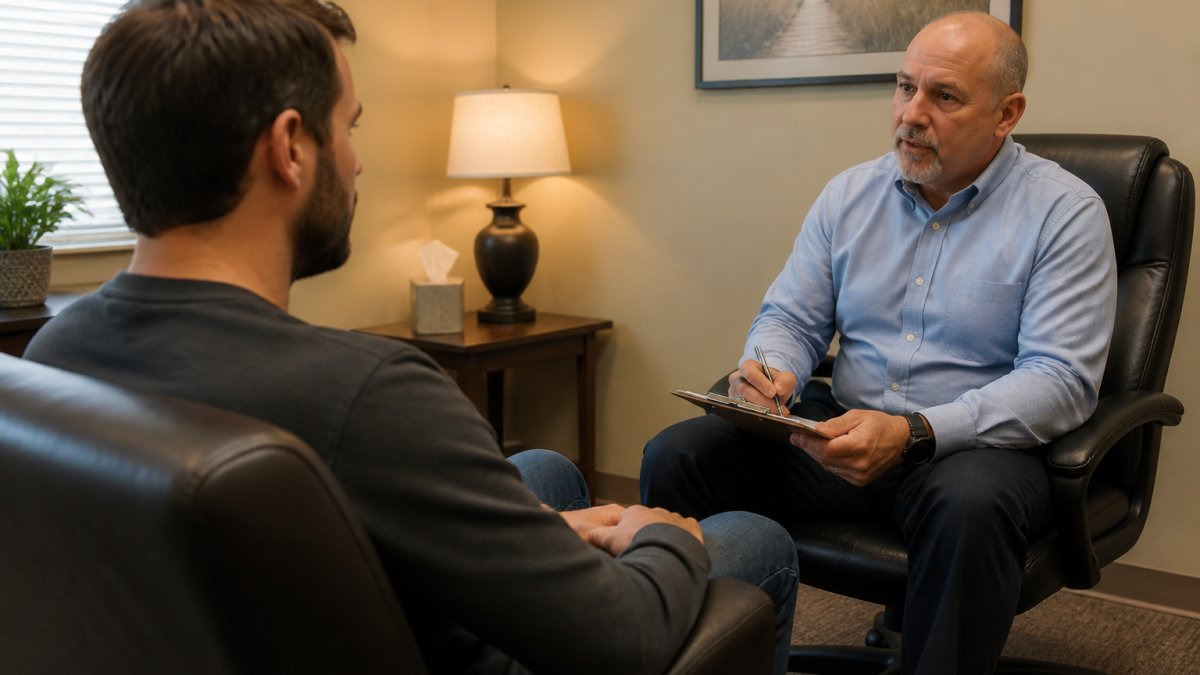
The pre-test interview includes questions about your background, your relationship to the person or situation being investigated, and your expectations. Be completely honest; the examiner isn't judging you, just gathering information to design an accurate examination.
The Testing Procedure and Question Format
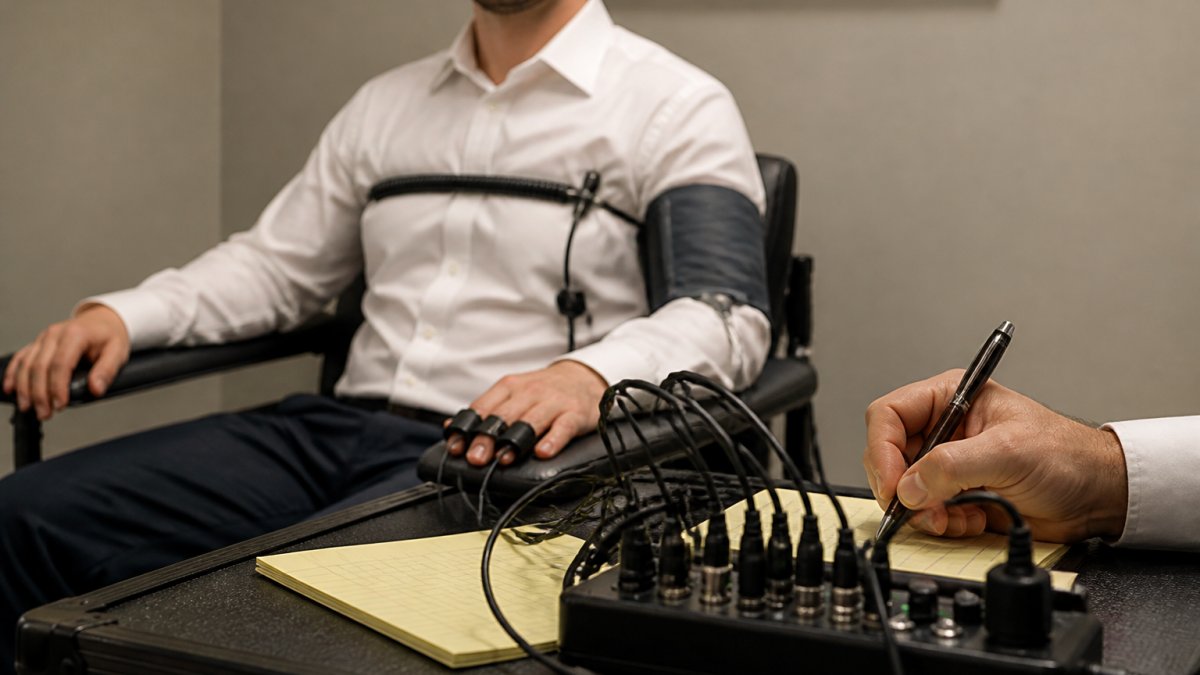
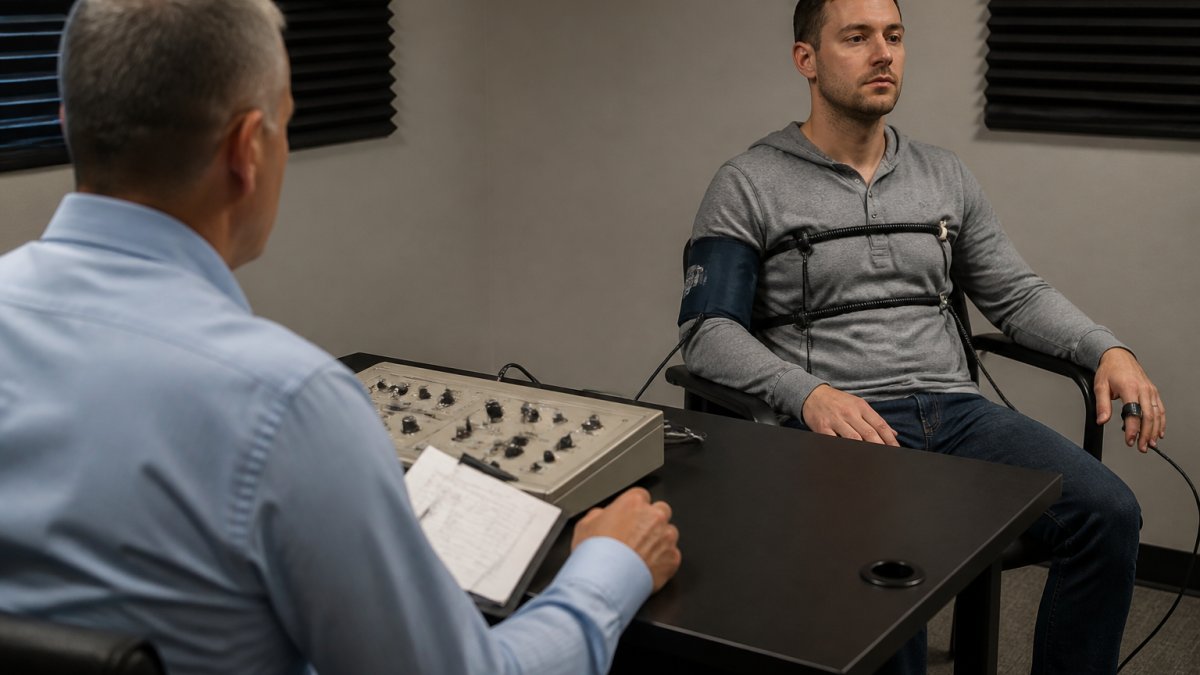
Once the pre-test consultation concludes, the examiner attaches three non-invasive, painless sensors: one measures breathing changes, another detects fingertip perspiration, and the third monitors heart rate and blood pressure. You'll sit facing the examiner, remaining still and quiet during each question cycle.
The examiner reads carefully worded questions, typically 5-10 relevant questions mixed with control questions. Relevant questions address the specific issue, such as "Did you take money from your employer?" Control questions, such as "Have you ever told a lie?", are designed to produce a response from everyone and serve as a baseline.
You answer each question with a simple "yes" or "no," and the examiner records your physiological response on a polygraph chart. The test includes multiple cycles of questioning with breaks between each one, helping the examiner identify consistent patterns.
The questioning is straightforward and non-accusatory. The examiner isn't trying to trick you, only measuring how your body responds to specific questions compared against your baseline and control questions.
Results Explanation and Accuracy Limitations
After testing concludes, the examiner reviews the charts and provides findings: truthful, deceptive, or inconclusive. They'll walk you through the specific questions and your physiological responses, showing you the charts and explaining what the patterns mean.
Polygraph testing is not infallible. It measures physiological responses, changes in breathing, perspiration, and heart rate, that typically occur during deception, but these can also be triggered by anxiety, fear, or other emotions.
The examiner's conclusion is based on their training, experience, and chart interpretation. Different examiners might reach different conclusions from the same chart, which is why qualifications matter.
Polygraph results are one piece of information, not definitive proof of truth or deception. Use them as part of your decision-making, not as absolute truth.
Polygraph testing can provide clarity when you're facing uncertainty. Whether you're dealing with relationship trust concerns, a legal matter, or a family situation, a private examination offers a structured way to address specific questions.
At API Polygraph, we conduct examinations following American Polygraph Association standards with examiners who bring real investigative experience.
Call 800-662-1571 or email truth@apipolygraph.com to discuss your situation privately. We'll explain what testing can and cannot do and help you decide if an examination is right for your circumstances.
| Element | Timeline | Notes |
|---|---|---|
| Pre-test consultation | 30-45 minutes | Includes history, question review, preparation |
| Polygraph testing | 30-45 minutes | Multiple question cycles with breaks |
| Results explanation | 15-20 minutes | Review of charts and findings |
| Total appointment | 90 minutes to 2 hours | Varies by case complexity |
Frequently Asked Questions
How do I know if a polygraph examiner is actually certified and qualified?
Look for American Polygraph Association (APA) certification, which requires formal training, supervised examinations, and ongoing education. Ask the examiner for their certification number and credentials before booking. Examiners with investigative background, law enforcement, military, or federal experience, bring additional expertise to the test. Verify their qualifications directly; legitimate examiners are transparent about their training and credentials.
What's the difference between booking a polygraph test online and taking one remotely?
Online booking means scheduling your appointment through a website or phone contact. A remote examination means the actual test happens over video. Most private polygraph tests for infidelity or personal concerns require in-person attendance because the examiner must monitor physiological responses and control the testing environment. Confirm whether your appointment will be in-person or remote when you book.
How long does a private polygraph test take from start to finish?
The exact duration depends on the complexity of your case and the number of questions. Plan for at least two hours to account for check-in and paperwork.
Who can see my polygraph test results, and how is my privacy protected?
Your results remain confidential unless you choose to share them. You control who receives your report. Reputable examiners follow strict privacy protocols and store records securely. Before booking, confirm the examiner's privacy policy and data handling practices in writing.
American Polygraph Association Standards and Examiner Certification
Understanding Polygraph Test Accuracy and Limitations
Confidentiality and Privacy Rights in Polygraph Testing