 how-to
Professional Polygraph Services: A Complete Guide
Table of Contents
- What Is a Professional Polygraph Examination?
- Understanding Polygraph Examiner Qualifications
- How to Prepare for a Polygraph Exam
- The Polygraph Examination Process
- Polygraph Test Cost and What Affects Pricing
- Accuracy, Reliability, and Legal Admissibility
- Finding and Booking Professional Polygraph Services
- Frequently Asked Questions
Last Updated: October 1, 2026
What Is a Professional Polygraph Examination?
A professional polygraph examination measures physiological responses to questions to help determine truthfulness. It combines behavioral observation, standardized questioning, and measurement of three key indicators: respiration, cardiovascular activity, and skin conductance. It's more accurately a measure of stress response than direct deception detection.
When asked about emotionally significant concerns, the body responds measurably differently based on truthfulness or deception. A trained examiner observes physiological changes combined with verbal responses and behavior to assess results.
How the Examination Works
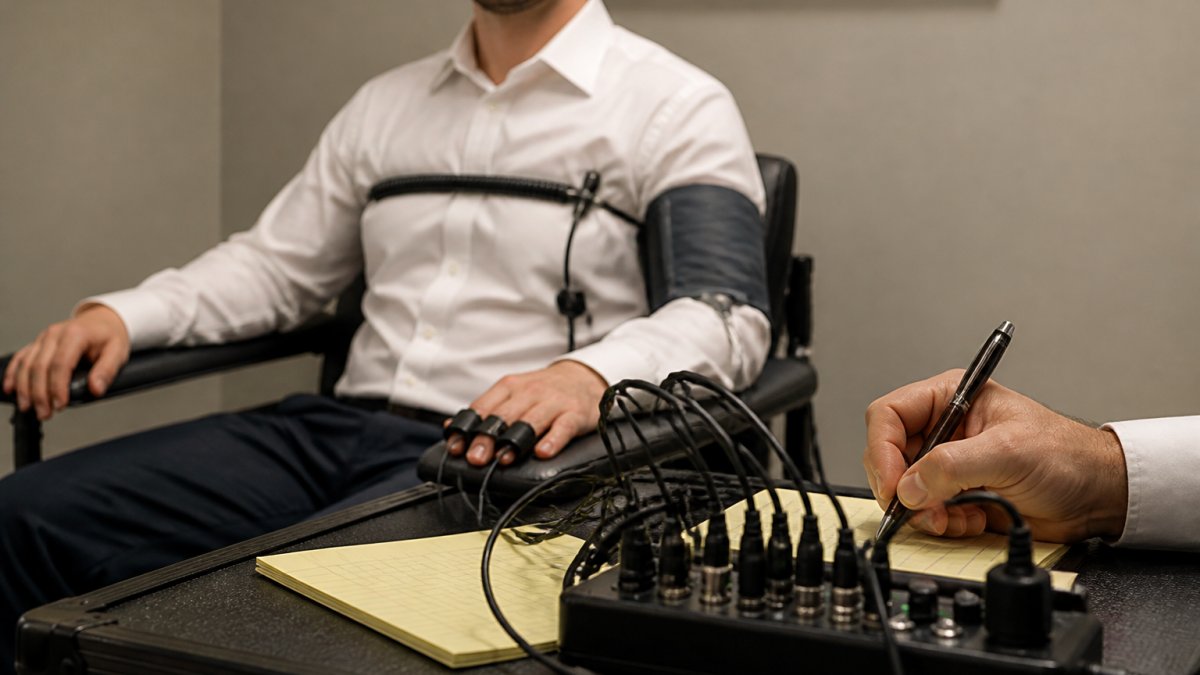
The polygraph records three simultaneous physiological measures using sensors: pneumograph bands around the chest and abdomen measure respiration, galvanic skin response sensors on two fingers measure skin conductance, and a blood pressure cuff measures cardiovascular activity.
The examiner asks carefully constructed questions while sensors record responses. The resulting chart shows peaks and valleys in each measure, which the examiner analyzes to identify which questions produced the strongest physiological responses.
Types of Testing Available
Professional polygraph services address infidelity concerns, theft investigations, pre-employment screening, family safety, criminal defense, and custody disputes. Each uses the same physiological measurement technology but tailors questioning to the specific concern.
Understanding Polygraph Examiner Qualifications
Examiner qualifications significantly affect reliability and legal admissibility. A qualified examiner has proper training, certification, and ethical standards.
Certifications and Professional Standards
The American Polygraph Association sets professional standards. APA-certified examiners complete 200-400 hours of classroom instruction plus supervised case work, pass written examinations on theory, physiology, psychology, and chart analysis, and maintain ongoing continuing education.
APA certification requires ethical guidelines, confidentiality, and adherence to testing protocols, with disciplinary processes for violations. This structure exists because results significantly impact custody decisions, employment, legal defense, and relationships.
Many examiners bring additional credentials like law enforcement backgrounds or forensic psychology training that complement basic certification.
What to Verify Before Booking
Before scheduling, verify current APA certification and certification number through the APA website. Ask about their specific training, experience, number of examinations conducted, case types, testing protocols, and willingness to explain methodology clearly.
How to Prepare for a Polygraph Exam
Your mental and physical state affects result quality. Proper preparation reduces anxiety and physiological noise that complicates chart analysis.
Physical and Mental Preparation
Maintain normal sleep, nutrition, and medication routines. Avoid changing habits or excessive caffeine on test day, as stimulants elevate baseline readings and complicate interpretation.
The examination is collaborative, not adversarial. The examiner's goal is accurate results. Honesty during the pre-test interview helps the examiner ask the right questions and interpret responses accurately.
Anxiety before the examination is normal and expected. What matters is whether your physiological responses are consistent with your answers, truthfulness under stress shows a different pattern than deception.
What to Bring and Expect
Bring valid government-issued ID and wear comfortable, loose-fitting clothing without heavy jewelry. Expect 60-90 minutes total, including pre-test interview, test, and post-test discussion.
The pre-test interview (30-45 minutes) covers consent, specific issues, and process explanation. The actual test (20-30 minutes) follows, then post-test discussion of findings.
The Polygraph Examination Process
Understanding what happens during an examination reduces anxiety and helps you prepare mentally. The process follows a consistent structure designed to produce reliable results.
Pre-Test Interview and Consent
The pre-test interview begins with detailed conversation. The examiner reviews consent, confirms voluntary participation, and discusses specific issues to be tested.
The examiner gathers background information relevant to your case, discussing specific behaviors, timeframes, or items to allow construction of targeted questions rather than generic ones.
The examiner will also explain their findings process. They'll describe how they'll analyze the charts, what patterns they're looking for, and how they'll reach a conclusion. They'll answer your questions about how the instrument works and what the sensors measure. A thorough pre-test interview typically takes 30-45 minutes.
During the Test: Sensors and Questions
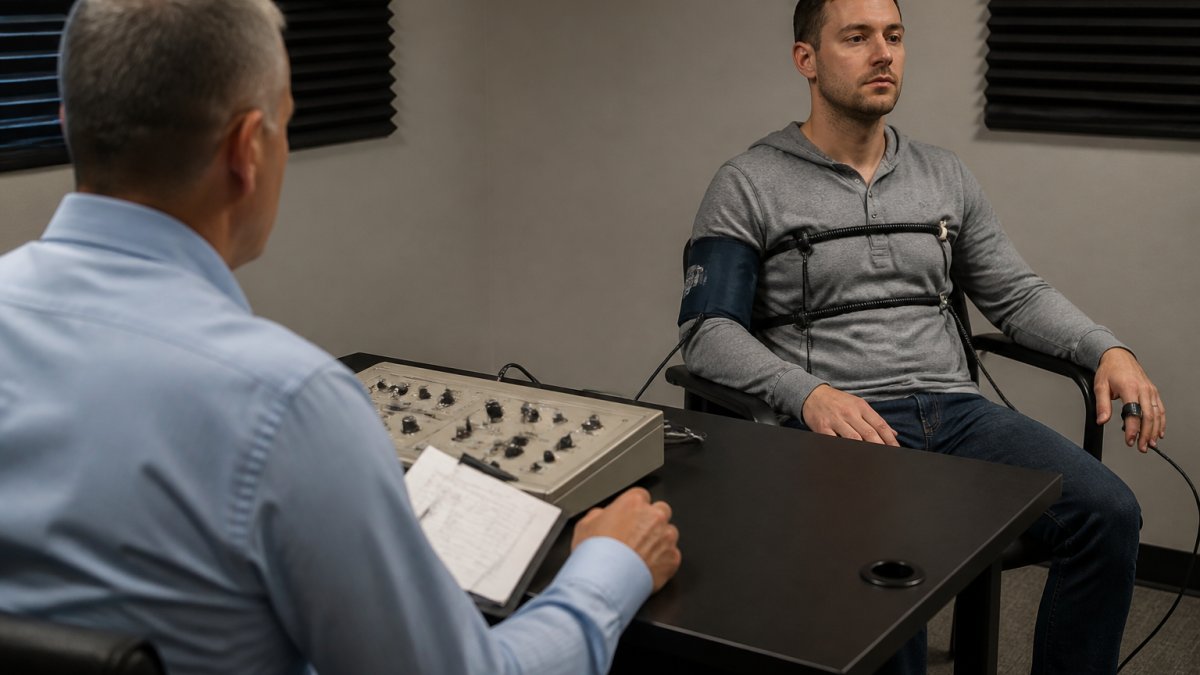
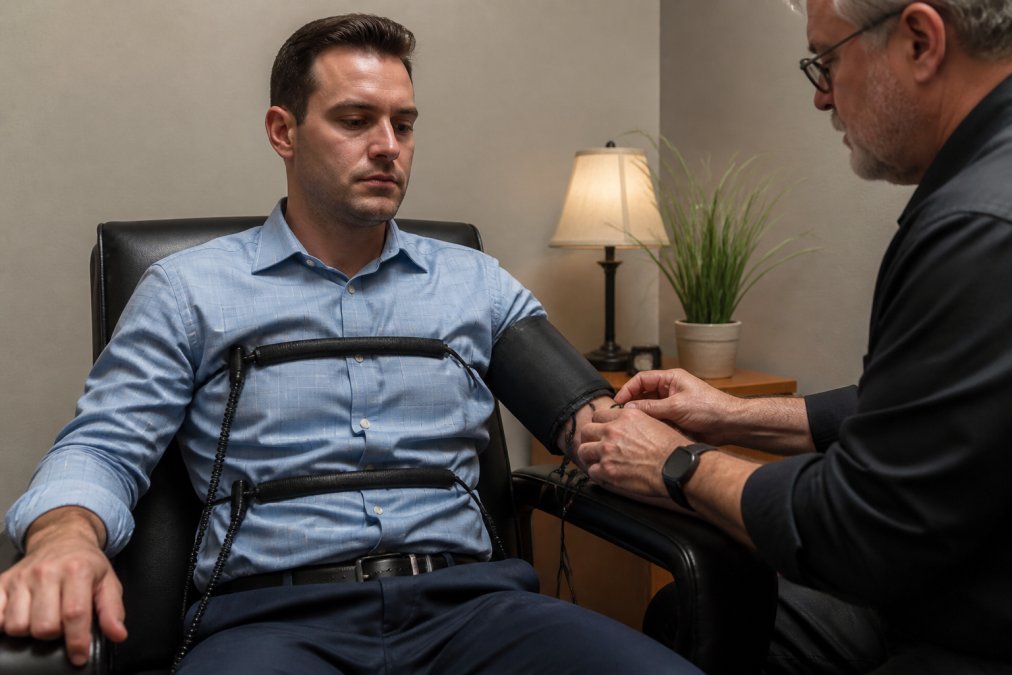
Once the pre-test interview is complete, the examiner attaches the sensors. This process takes just a few minutes. You'll feel the pneumograph bands around your chest and abdomen, they should be snug but not restrictive. The galvanic skin response sensors are small pads placed on two fingers. The blood pressure cuff goes on your arm. None of this is painful or invasive.
The examiner then asks questions while monitoring your physiological responses. The questions follow a specific structure. Control questions establish your baseline responses. These are questions designed to produce some physiological response in most people but are unrelated to the issue being tested. Relevant questions directly address the specific concern. These are the questions that matter most for your case.
The examiner may ask the same questions multiple times during the examination. This repetition allows them to see whether your responses are consistent across multiple presentations of the same question. Consistency matters more than the absolute level of physiological response.
Results and Report Delivery
After the examination concludes, the examiner removes the sensors and reviews the charts. This analysis typically takes 20-30 minutes. The examiner looks for patterns in your physiological responses that correlate with truthfulness or deception. They consider the overall pattern, not isolated peaks or valleys.
Once analysis is complete, the examiner will discuss findings with you. They'll explain what the charts show and what their conclusion is. They'll answer your questions about the results. If you request a written report, the examiner will provide one, typically within a few business days. This report documents the examination date, the specific questions asked, the examiner's methodology, and their conclusion.
Polygraph Test Cost and What Affects Pricing
The cost of a professional polygraph examination depends on several factors. For current pricing and a specific quote for your situation, contact API Polygraph directly at 800-662-1571 or truth@apipolygraph.com. Pricing varies based on the complexity of your case, the type of examination needed, whether you need a written report, and whether the results may be used in legal proceedings.
A straightforward confidential examination typically costs less than a case involving custody disputes or legal defense, which may require court-qualified expert testimony and detailed written documentation. API Polygraph provides transparent pricing discussions during the initial consultation so you understand costs before committing to testing.
Accuracy, Reliability, and Legal Admissibility
The science of polygraph testing is more nuanced than popular perception suggests. Understanding both what polygraph examinations can and cannot reliably determine helps you set appropriate expectations.
What the Science Shows
Polygraph examinations measure physiological stress responses, not "lies" directly. When someone answers a question, their body responds measurably if they're emotionally invested in the answer. A skilled examiner interprets these physiological patterns in context, considering the person's baseline responses, their behavior, and the specific questions asked.
Research on polygraph accuracy shows variable results depending on how accuracy is measured and what population is tested. In controlled laboratory settings with clear guilty-knowledge scenarios, accuracy rates tend to be higher. In real-world applications with ambiguous situations and emotional complexity, accuracy is lower. The key limitation is that physiological stress can result from truthfulness under pressure, fear of disbelief, anxiety about the examination itself, or actual deception. An examiner cannot always distinguish between these sources of stress response.
This is why a qualified examiner emphasizes that polygraph results are one piece of information, not definitive proof.
Court Admissibility and Private Use
Polygraph results are generally not admissible in court without the defendant's consent. Federal courts and most state courts treat polygraph evidence as insufficiently reliable for courtroom use. However, individual jurisdictions vary, and some courts allow polygraph evidence in specific circumstances. If your situation involves potential legal proceedings, discuss admissibility with your attorney before scheduling an examination.
Finding and Booking Professional Polygraph Services
Locating a qualified examiner requires more than a simple search. You need someone with proper credentials, relevant experience, and a professional approach to your situation.
Privacy, Confidentiality, and Your Rights
Confidentiality is a fundamental protection in professional polygraph services. Everything you share during the pre-test interview and examination remains confidential unless you authorize release of results. The examiner cannot share findings with anyone without your explicit written consent.
Scheduling and Next Steps
Booking a professional polygraph examination begins with a phone call or email consultation. During this initial contact, you'll briefly describe your situation and discuss what type of examination might fit your needs. The examiner will explain the process, answer your questions, and discuss scheduling and costs.
Frequently Asked Questions
What qualifications should a professional polygraph examiner have?
A qualified professional polygraph examiner should hold APA (American Polygraph Association) certification, which requires extensive training in psychophysiological detection of deception, chart analysis, and interrogation techniques. Look for examiners with law enforcement or investigative background, active continuing education, and verifiable credentials. Ask to see certifications before booking, and confirm the examiner follows professional standards for pre-test interviews, sensor placement, and confidentiality agreements.
How do I prepare for a polygraph exam?
Start by getting adequate sleep the night before and avoiding stimulants like caffeine and energy drinks. Wear comfortable, loose-fitting clothing that allows sensor placement on your arm and torso. Eat a light meal a few hours before the test, but avoid heavy foods. Most importantly, be honest during the pre-test interview and understand the types of questions you'll face: baseline questions to establish your normal physiological responses, control questions, and relevant questions specific to the investigation. Anxiety is normal, but the examiner will explain everything beforehand to help you feel prepared.
How much does a professional polygraph test cost?
Pricing for professional polygraph services depends on several factors including the type of examination, the complexity of the case, examiner qualifications, and whether a written report or court-qualified expert testimony is needed. Some tests are more straightforward than others, and additional services like attorney consultations or legal documentation affect the total cost. For current pricing and a personalized quote based on your specific situation, contact API Polygraph directly at 800-662-1571 or truth@apipolygraph.com to discuss what your examination requires.
Are private polygraph results admissible in court?
Private polygraph results are generally not admissible in court unless both parties agree in advance to their admission. However, they can be valuable for personal decision-making, relationship reconciliation, and family safety concerns. If your situation may involve legal proceedings, discuss admissibility with your attorney before testing. A court-qualified examiner who follows strict professional standards can provide expert testimony if needed, though the court has final discretion on whether to admit the evidence.