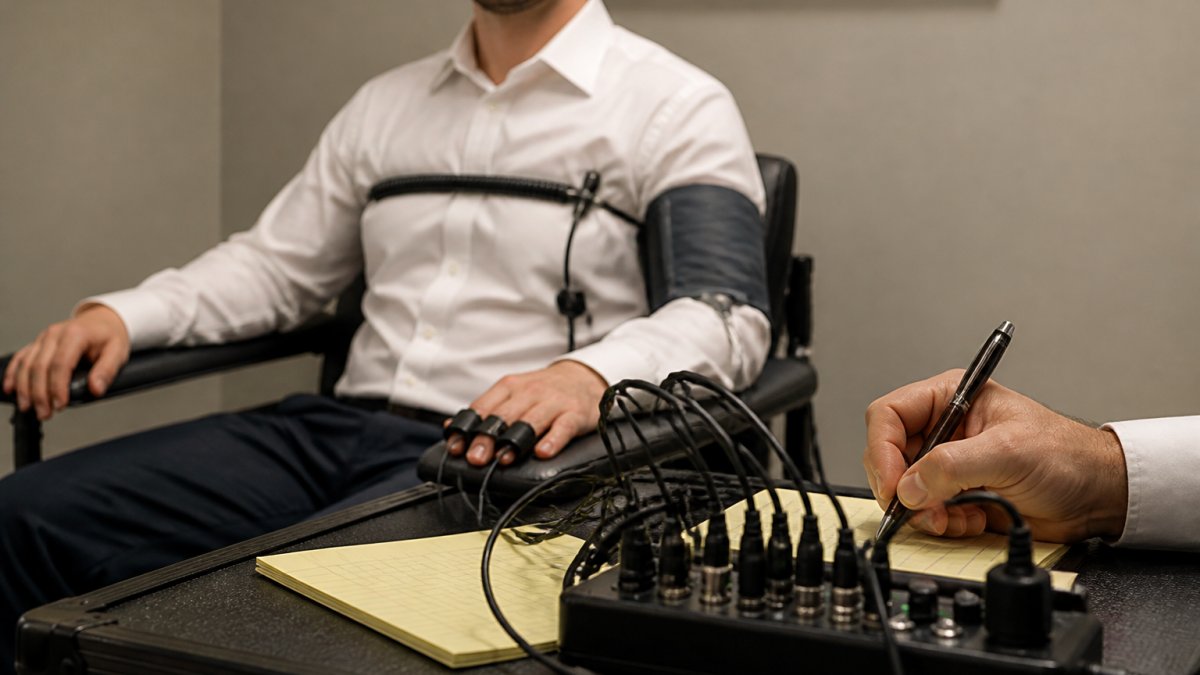
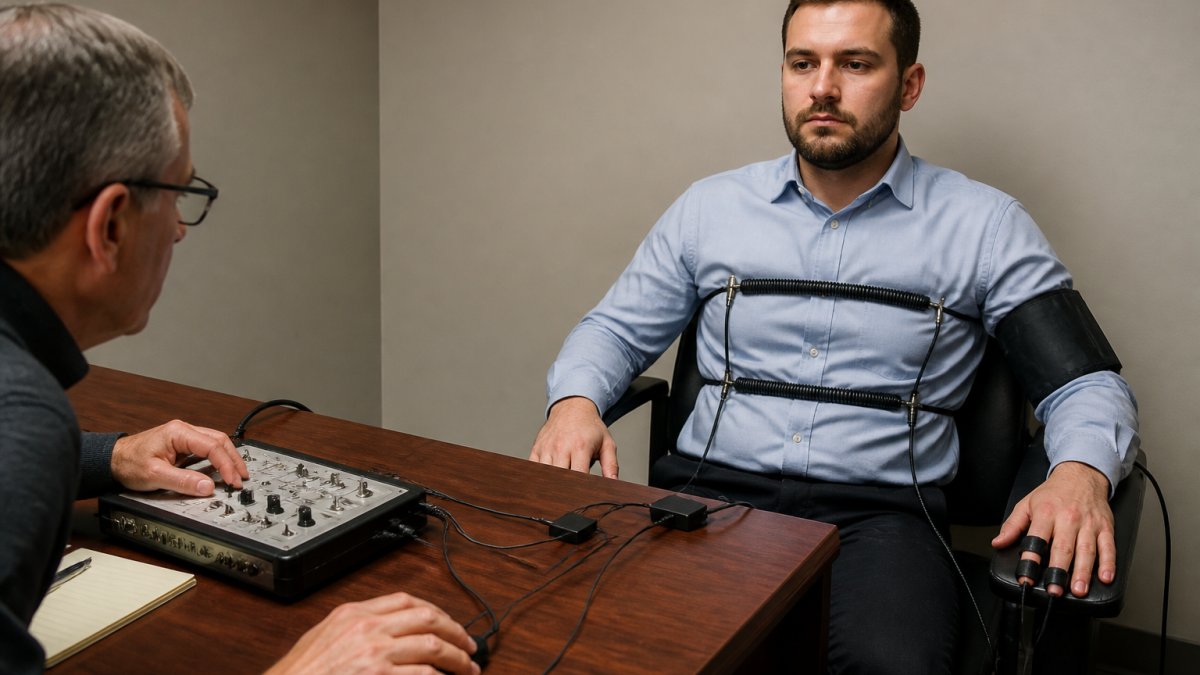
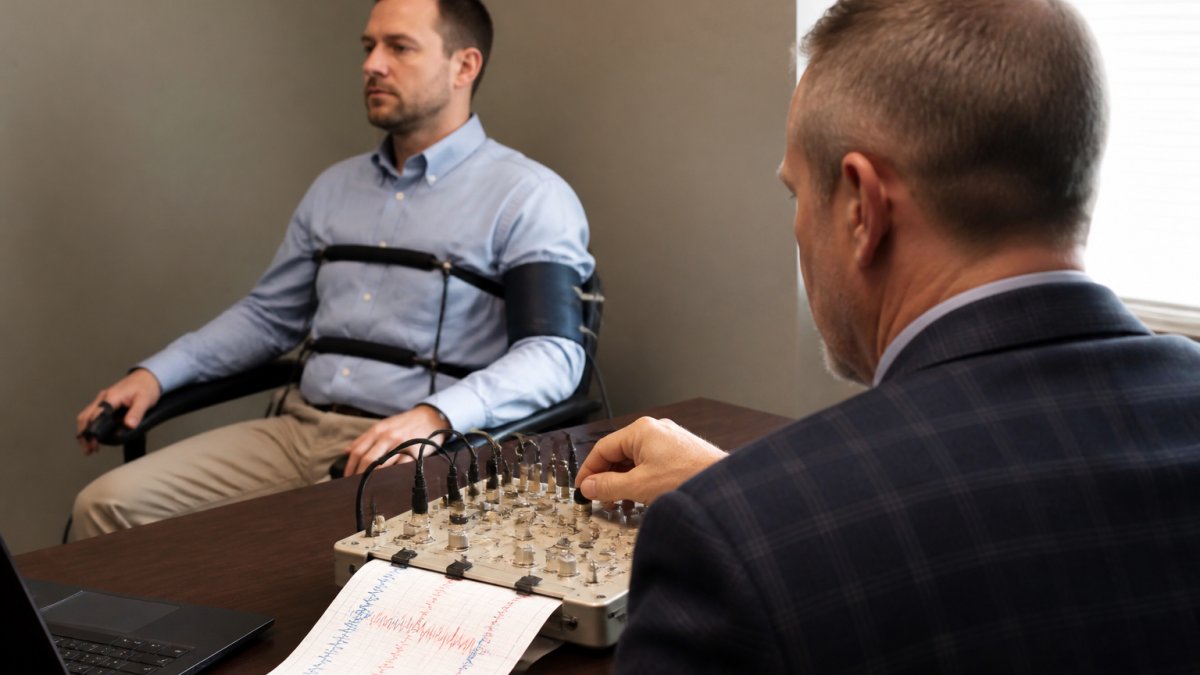
 comparison
Cost of Professional Polygraph Services: 2026 Pricing
Table of Contents
- How Much Do Professional Polygraph Services Cost in 2026?
- Published Price Benchmarks: What the Data Shows
- What Drives the Cost of Professional Polygraph Services?
- What Happens During a Polygraph Examination (and Why It Affects Price)
- Polygraph Exam Duration: How Long Sessions Last and Why It Matters
- Polygraph Accuracy: What a Result Can and Cannot Establish
- Questions to Ask a Polygraph Examiner Before You Book
- How to Read a Quote and Avoid Misleading Low Prices
- Frequently Asked Questions
Last Updated: October 5, 2026
How Much Do Professional Polygraph Services Cost in 2026?
At API Polygraph, we've conducted more than 10,000 examinations over 30 years, and we can tell you plainly: the cheapest quote is rarely the best value.
Most people searching for pricing want one thing: a number they can trust before they pick up the phone.
Below, we break down what published benchmarks show, what drives the price up or down, and how to read a quote so you don't get burned by a low headline number.
Published Price Benchmarks: What the Data Shows
Published polygraph pricing falls into three broad tiers: screening exams, single-issue exams, and complex multi-issue examinations. Knowing which tier you're shopping in is the first step to comparing quotes fairly. Most published figures mix tiers, regions, and deliverables into a single number, making them nearly impossible to compare side by side.
National Averages and Reported Ranges
According to Lawful's polygraph cost guide, the national average cost of a polygraph examination is around $800, with a reported range of $400 to $1,200 for most cases and extremes stretching from $200 to $2,000 or more.
For pre-employment screening specifically, Lie Detector Test's 2026 cost guide lists prices of $350 to $500. Relationship and infidelity examinations run higher, at $500 to $1,500, because they often involve multiple issues, longer sessions, and more detailed reporting.
Like-for-Like Comparison by Test Purpose and Region
Most published price lists aren't comparable because they describe different products. The table below organizes reported ranges by test purpose and market type, so you can match your situation to the closest benchmark rather than a single national number.
| Test Purpose | Reported Range (per person) | Typical Session Length | Common Regional Pattern |
|---|---|---|---|
| Pre-employment screening | $350 - $500 | 60 - 90 minutes | Lower in rural and mid-size markets; higher in dense metro areas |
| Single-issue private exam | $400 - $800 | 90 - 120 minutes | Relatively stable nationwide; travel fees add in remote areas |
| Relationship or infidelity | $500 - $1,500 | 2 - 3 hours | Higher in major metro markets; multi-issue cases push the top of range |
| Complex or multi-issue | $800 - $2,000+ | 3+ hours | Highest in major metro markets and where expert testimony is anticipated |
| PCSOT / treatment compliance | $500 - $1,200 | 90 - 150 minutes | Often set by treatment program contracts rather than open market |
Two patterns stand out. First, per-person cost rises with the number of issues, not the number of people. Second, regional variation is real but narrower than the national range suggests: a single-issue exam in a mid-size market and the same exam in a major metro often land within a few hundred dollars of each other, while the gap between a single-issue and a multi-issue exam in the same city can exceed $1,000.
Regional Pricing: Why Location Changes the Number
Geography moves the number more than most people expect. American Eagle Investigations' polygraph page reports typical prices of $450 to $600 for examinations in the New York City area, and notes that longer or more complex examinations cost more.
What drives regional variation is overhead and travel, not the test itself. Examiners in dense markets carry higher office and insurance costs; rural examiners often build travel time and mileage into the fee.
What Drives the Cost of Professional Polygraph Services?
Four factors explain most of the price gap between examiners: the purpose of the test, the examiner's qualifications, the session length, and what the fee actually includes.
Test Purpose and Complexity
A single-issue test asks one narrowly defined question. A multiple-issue examination covers several topics, which requires more question formulation, a longer pre-test interview, and more analysis time. More issues means more examiner hours, and examiner hours are what you're buying.
Private credibility testing for a relationship concern usually sits in the middle. Law enforcement screening and PCSOT testing, which monitors sex offender treatment compliance, follow stricter protocols and often cost more.
Examiner Qualifications and Experience
A certified examiner with American Polygraph Association credentials and courtroom experience charges more than one with minimal field history. That premium reflects training hours, continuing education, and the ability to defend a result in court.
When you call an examiner, ask directly: Are you APA certified? How many examinations have you conducted? Have you testified as an expert witness? The answers tell you whether the fee reflects real experience.
What Happens During a Polygraph Examination (and Why It Affects Price)
A polygraph examination is a structured, multi-stage process: pre-test interview, question review, recorded testing session, and post-test analysis. Each stage takes examiner time, and time is the main cost driver.
The session typically follows this order:
- Pre-test consultation. The examiner explains the process and confirms consent.
- Question formulation. You and the examiner agree on the exact wording of each question.
- Pre-test interview. Background discussion and a baseline reading.
- Testing session. Sensors record cardiovascular, respiratory, and electrodermal activity while questions are asked.
- Post-test review. The examiner analyzes the charts and explains the findings.
A rushed examination skips steps. That's why a low price and a short session often travel together, and it's why we walk every client through the full sequence before booking.
Polygraph Exam Duration: How Long Sessions Last and Why It Matters
A typical polygraph exam duration runs 90 minutes to 3 hours, with the actual chart recording taking far less time than most people assume.
Single-issue examinations often finish closer to the 90-minute mark. Multi-issue examinations, legal cases, and matters requiring a detailed written report regularly run past two hours.
Duration matters for two reasons. First, it's the clearest signal of what you're paying for: an examiner who blocks out three hours is doing three hours of work.
Polygraph Accuracy: What a Result Can and Cannot Establish
Polygraph accuracy is best understood as a probability estimate, not a verdict. A polygraph examination measures physiological responses to reviewed questions; it does not read minds or produce a binary truth meter.
A result can establish that a person showed a significant physiological response pattern to specific questions under controlled conditions.
That limitation is why we never guarantee a specific outcome, a point worth pressing any examiner on.
Questions to Ask a Polygraph Examiner Before You Book
Before you book, ask these questions and expect direct answers. A qualified examiner will welcome them.
- Are you certified by the American Polygraph Association?
- How many examinations have you personally conducted?
- What exactly does the quoted fee include?
If any answer is vague, keep looking. The right examiner will put the scope, fee, and limits of the test in plain language before you commit.
How to Read a Quote and Avoid Misleading Low Prices
A trustworthy quote is all-inclusive and itemized: the examination fee, written report, travel fee, and any charge for extra copies or follow-up consultation appear as separate lines, so you see the total before you book. A misleading quote advertises a low headline number and recovers the rest through add-ons that only appear after you've committed.
What a Base Fee Should Include
When you ask for a quote, ask the examiner to confirm in writing whether each of the following is included or billed separately:
- Pre-test consultation. The intake call or meeting where scope and consent are confirmed.
- Question review and formulation. The time spent agreeing on exact question wording.
- Examination time. The scheduled block, not just the chart recording.
A common pattern is a base fee covering the examination plus a separate line for the written report. That isn't automatically a bad deal, but it isn't comparable to an all-inclusive quote until you add the report fee back in. Always compare total delivered cost, not headline cost.
Common Add-On Charges to Expect
Most examiners publish a base fee and price the following separately. None are inherently unfair, but each changes the total you'll actually pay:
- Travel or mileage fees. Common when the examiner comes to your location or travels outside a standard service radius.
- After-hours or weekend scheduling. Evening and weekend appointments often carry a premium.
- Additional report copies or notarized versions. Frequently charged per copy.
How to Assess a Quote: A Practical Checklist
Run every quote through these questions before you commit:
- Is the quote itemized? If it is a single number with no breakdown, ask for the breakdown in writing.
- What is the deposit, and is it refundable? Confirm the amount, the payment method, and the refund conditions.
- What are the cancellation and rescheduling terms? Ask how many days' notice is required and what happens if you cancel inside that window.
- Is travel included? If not, ask for the mileage rate or flat travel fee.
- Is the written report included? If not, ask for the report fee before you book.
- What happens if the scope changes? Ask how additional issues or a longer session are priced.
- Is the examiner's certification stated? Credentials should be named, not implied.
- Does the quote match the test type you actually need? A screening quote is not a substitute for a multi-issue quote.
Why a Low Headline Number Is Often Not the Lowest Total
A quote far below other examiners in your area usually means one of three things: a trainee conducting the exam, a fee that excludes the written report, or a "test" that isn't a polygraph at all. Ask what the number covers before you book, the lowest headline quote frequently becomes the highest total once report, travel, and scheduling fees are added back in.
At API Polygraph, every examination starts with a confidential pre-test consultation so you know the scope and process before anything is scheduled. We follow American Polygraph Association standards, provide a written report when you need documentation, and offer court-qualified expert testimony when a legal matter requires it. Call 800-662-1571 or email truth@apipolygraph.com to discuss your situation privately.
Frequently Asked Questions
How much do professional polygraph services cost?
Published benchmarks vary widely. Pre-employment screening is often quoted lower than relationship or infidelity testing, and regional pricing shifts the number again. The only reliable figure is a written quote from a specific examiner that states exactly what the fee covers.
What affects the cost of a professional polygraph exam?
Test purpose and complexity matter most. A single-issue test takes less time than a multiple-issue examination, and pre-employment screening is usually simpler than a relationship or custody-related examination. Examiner qualifications and experience also influence price, as does location. Additional charges can apply for travel, extra report copies, or follow-up consultation, so ask for an itemized quote before you commit.
What is included in a professional polygraph service fee?
An all-inclusive price should cover the pre-test interview, question formulation, the testing session itself, the examiner's analysis, and a written report. Some providers also include a follow-up consultation to explain the findings. Ask specifically whether the quote includes the written report, because additional report fees and charges for extra copies are common add-ons that turn a low headline price into a higher final bill.
Is a polygraph 100% accurate?
No. Polygraph accuracy is strong under controlled conditions but never absolute, and no responsible examiner guarantees a specific result. Accuracy depends on examiner training, question formulation, and the subject's physical and psychological state on the day. A polygraph result can support a decision or provide a documented milestone, but it should be treated as one piece of evidence alongside other information, not as a verdict on its own.
Can a truthful person fail a polygraph?
It is possible. Anxiety, medical conditions, certain medications, and fatigue can all affect physiological responses during the examination. That is why the pre-test interview and question formulation matter so much, and why a certified examiner trained to American Polygraph Association standards will assess the whole session rather than a single reading. If you are concerned about a false result, discuss your medical history and medications with the examiner beforehand.