 ultimate-guide
Is a Polygraph Test Confidential? Your Rights Explained
Table of Contents
- Is a Polygraph Test Confidential? The Short Answer
- How Informed Consent Protects Your Privacy
- Who Has Access to Polygraph Results
- Are Infidelity Polygraph Tests Admissible in Court
- Employee Polygraph Protection Act Requirements
- How Long Do Polygraph Records Stay on File
- Private Testing vs. Government-Mandated Polygraphs
- What You Should Know Before Taking a Test
- Frequently Asked Questions
Last Updated: October 3, 2026
Is a Polygraph Test Confidential? The Short Answer
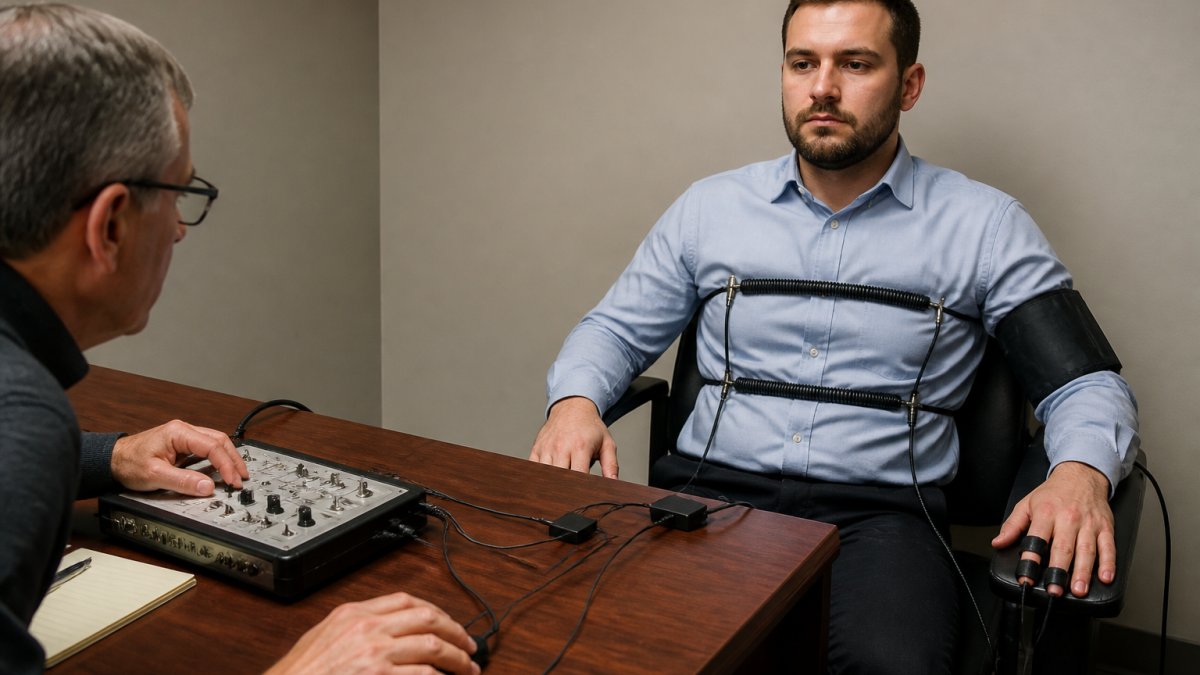
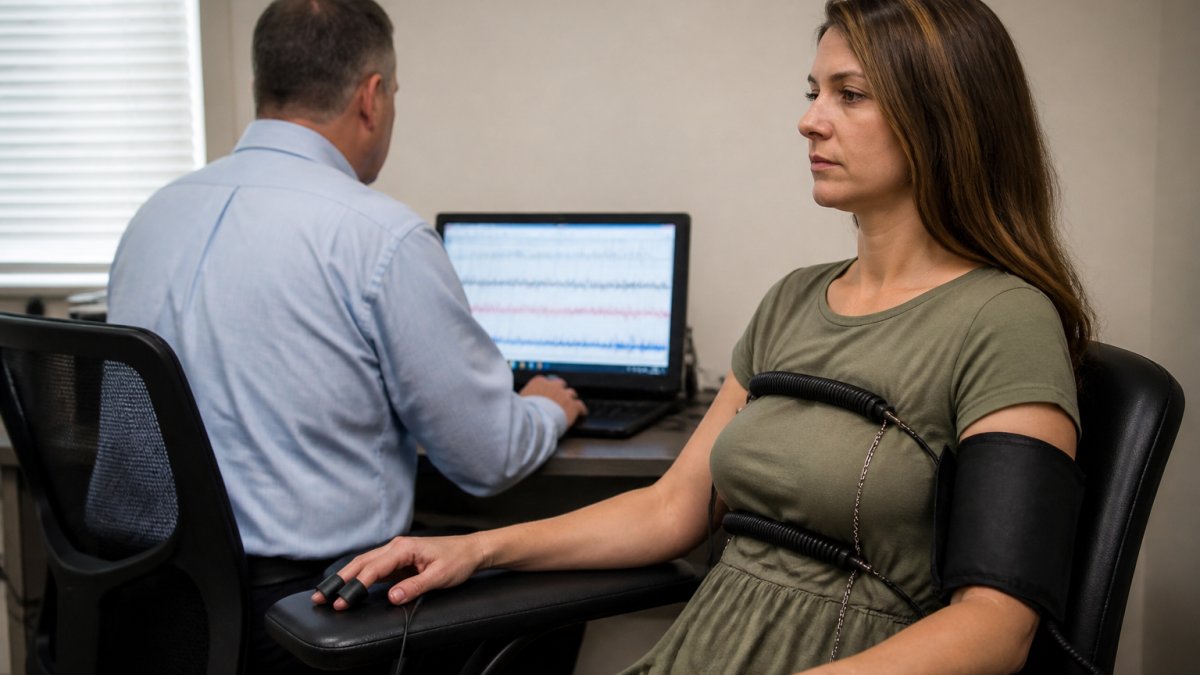
A polygraph test confidential status depends only on whether the person undergoing the examination agrees to keep it confidential and the examiner follows privacy protocols. However, confidentiality is not automatic or guaranteed by law in most situations. The results are private between you and the examiner unless you choose to share them, but there are important exceptions, particularly when law enforcement, courts, or employers are involved.
At API Polygraph, we emphasize informed consent from the start. Every examination is voluntary, and you control what happens with the results. Before any test begins, you'll understand exactly who can access the findings and under what circumstances. This transparency is fundamental to the examination process.
The reality is more nuanced than a simple yes or no. Your privacy depends on the testing context, what you've agreed to, and the legal framework governing the examination. Understanding these distinctions before you book a test is essential.
How Informed Consent Protects Your Privacy
Informed consent is the cornerstone of polygraph confidentiality. Before the examination begins, you must understand what you're agreeing to and what happens to the results afterward. This isn't a formality, it's your legal protection.
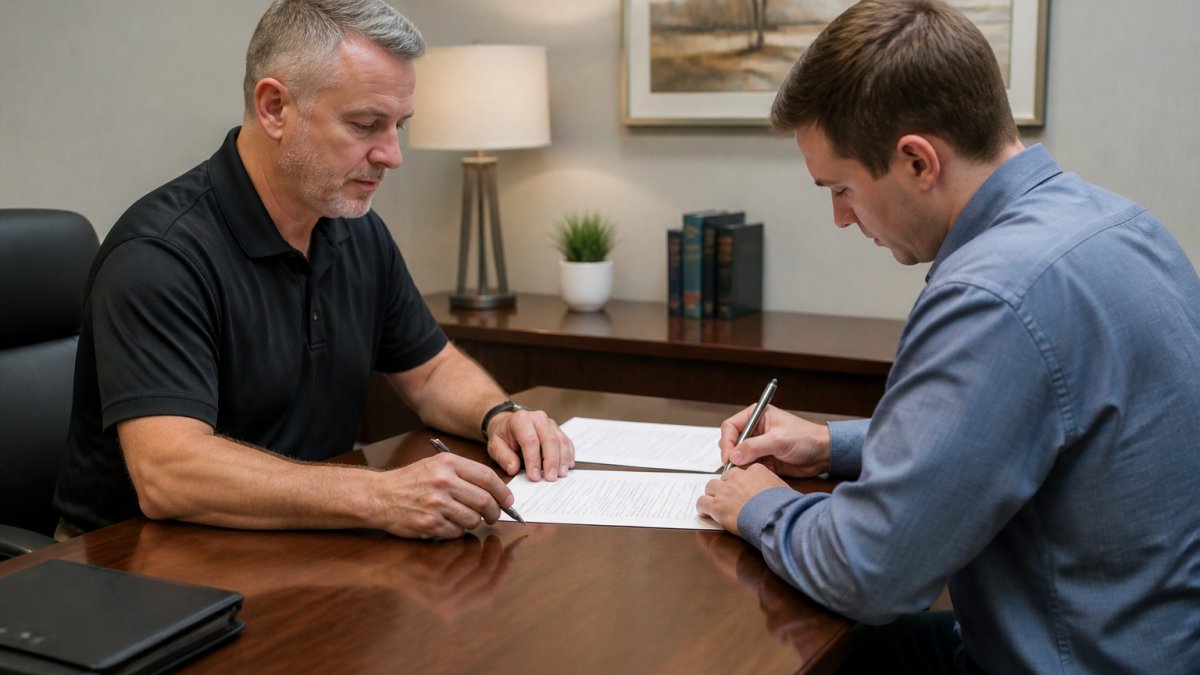
Written authorization is the standard. You'll sign a consent form acknowledging that you understand the examination's scope and agree to participate. This written authorization becomes part of your file and documents that you entered the process voluntarily.
A critical point: you can revoke consent mid-test. If you decide partway through that you want to stop, you have that right. The examiner must honor your request immediately.
Who Has Access to Polygraph Results
The short answer: only the people you authorize. But the practical answer depends on why you took the test and what you do with the results afterward.
If you took the test privately through a professional examiner, the results belong to you. The examiner keeps a file copy for their records, but they cannot share the results with anyone else without your written permission.
The moment you share results with a third party, confidentiality changes. If you provide a copy to your attorney, your attorney has access.
Law enforcement and court-ordered examinations operate under different rules. If law enforcement orders a polygraph examination as part of a criminal investigation, the results don't belong to you in the same way.
Are Infidelity Polygraph Tests Admissible in Court
Infidelity polygraph tests are generally not admissible in court as evidence of truth or deception.
The admissibility of polygraph test results varies significantly by state and by the specific legal context. Some states have rules that exclude all polygraph evidence unless both parties agree to its admission.
In family law cases involving infidelity, custody disputes, divorce proceedings, or separation agreements, courts typically won't allow polygraph results as evidence of whether infidelity occurred. The judge is unlikely to base custody or support decisions on polygraph findings.
However, polygraph results can have value outside the courtroom. If you're trying to rebuild trust in a relationship after infidelity allegations, a polygraph examination can provide clarity for you and your partner. The results might help you move forward or make a decision about the relationship, even if a judge wouldn't accept them as legal evidence.
If your situation involves potential legal proceedings, discuss the role of polygraph testing with your attorney before scheduling an examination. An experienced attorney can advise whether testing serves your interests and how results should be handled if litigation is possible.
Employee Polygraph Protection Act Requirements
The Employee Polygraph Protection Act (EPPA) is federal law that restricts employers' use of polygraph examinations. Under the EPPA, private employers generally cannot require employees or job applicants to take a polygraph test as part of hiring or retention decisions (Employee Polygraph Protection Act). The law applies to most private-sector businesses.
There are significant exceptions to this rule. Employers in security services, pharmaceutical manufacturing, and armored car operations can use polygraph testing under certain conditions. Law enforcement agencies and government employers are exempt from the EPPA entirely, federal, state, and local agencies can use polygraph examinations for employment screening and investigations (Fact Sheet #36: Employee Polygraph Protection Act of 1988).
The EPPA also protects employees during polygraph examinations. If your employer lawfully requires a test, you have specific rights: the examiner must inform you of your right to legal counsel, the right to refuse to answer questions, and the right to know the questions in advance. The examination must be conducted in private, and the results cannot be disclosed to other employees without your consent.
For private-sector employees, the EPPA provides meaningful protection. If your employer tries to require a polygraph test and doesn't fall into an exempted industry, you can refuse and pursue legal action if you face retaliation. The law recognizes that polygraph testing raises significant privacy concerns and limits employers' ability to use it as a screening tool.
How Long Do Polygraph Records Stay on File
Polygraph records retention depends on who conducted the test and what they're required by law to keep.
Private examiners typically keep records for five to ten years, though some maintain files indefinitely. The examiner's retention policy should be disclosed during the informed consent process.
Law enforcement agencies are subject to different rules. Police departments and federal agencies may retain polygraph records for longer periods as part of investigative files or personnel records.
Court records involving polygraph examinations are retained according to court rules, which typically require preservation for several years after a case closes.
You have the right to request copies of your polygraph records from the examiner. Most examiners will provide a copy upon request, though they may charge a fee for copying and mailing.
Private Testing vs. Government-Mandated Polygraphs
The confidentiality framework changes dramatically depending on who initiates the test. Private examinations and government-mandated tests operate under fundamentally different legal structures.
Private testing is initiated by you, a family member, or your attorney. You control the decision to test, choose the examiner, and decide what to do with the results. The examiner's primary obligation is to you.
Government-mandated testing occurs in law enforcement investigations, security clearance background checks, and certain employment screening situations. When a government agency orders a polygraph examination, you may have limited choice in participation.
The legal framework protecting your rights differs significantly. Private examiners operate under contract law and professional standards. Government agencies operate under constitutional law and statutory authority.
Disclosure rules also differ. A private examiner cannot share your results without written authorization.
What You Should Know Before Taking a Test
Before you schedule a polygraph examination, understand several practical realities about how confidentiality actually works and what the process involves.
First, choose your examiner carefully. Verify that they're certified by a recognized professional organization like the American Polygraph Association. Certification indicates they've met training standards and professional ethics requirements.
Second, understand your specific situation. Are you taking the test voluntarily, or is it court-ordered? Are you doing this for personal clarity or for legal proceedings?
Third, ask detailed questions during the pre-test consultation. How will results be stored? How long will records be kept? Who can access them?
Fourth, remember that you control what happens to the results. The examiner can't share them without your permission, but once you share them, you've released them from confidentiality.
Finally, understand that a polygraph examination is not a magic solution.
When you're facing uncertainty about infidelity, family trust, or relationship integrity, clarity matters. API Polygraph provides confidential, consent-based examinations conducted by certified examiners with real investigative experience. Every examination follows American Polygraph Association standards, results remain private unless you authorize disclosure, and you control what happens next. Call 800-662-1571 or email truth@apipolygraph.com to discuss your situation privately, no pressure, no obligation, just clear answers about whether testing can help and what the process actually involves.
Frequently Asked Questions
Can a truthful person fail a polygraph test?
Yes. Polygraph tests measure physiological responses like heart rate and perspiration, not truth directly. Truthful people can show stress responses due to anxiety, fear of the device, or medical conditions. This is why examiners conduct thorough pre-test interviews and consider the full context. Results are not infallible, and a single test should never be the only basis for major decisions. A qualified examiner following American Polygraph Association standards will explain these limitations clearly.
Who has legal access to my polygraph test results?
Access depends on your written authorization and the testing context. In private examinations, only you and the examiner have access unless you explicitly authorize disclosure to others, such as an attorney or partner. In court-ordered or government-mandated testing, law enforcement, courts, or security clearance investigators may have access. Your written consent form specifies who can receive results. You retain the right to limit disclosure, though refusing to share results in legal proceedings may have consequences depending on the situation.
Are polygraph results protected by HIPAA?
No. HIPAA protects health information held by covered entities like hospitals and doctors. Most private polygraph examiners are not healthcare providers and do not fall under HIPAA. However, your results are protected by confidentiality agreements, state privacy laws, and the terms of your written consent. If your examiner is part of a medical practice, some HIPAA protections may apply. Always ask your examiner directly about their data protection policies and how long they retain records.
Can I revoke my consent after a polygraph test has started?
Yes. You have the right to stop the examination at any time. However, revoking consent after the test is complete does not erase the results that were already recorded. If you revoke consent before the test begins, no examination occurs. Understand your consent form before signing, it specifies what happens to results if you withdraw permission. Discuss any concerns with the examiner during the pre-test consultation so you fully understand the process and your rights.