 ultimate-guide
What Happens During a Polygraph Examination
Table of Contents
- What Happens During a Polygraph Examination: The Complete Process
- The Three Phases of a Polygraph Examination
- How Long Does a Polygraph Test Duration Usually Take?
- Polygraph Examination Questions: What You Will Be Asked
- Physiological Responses Measured During the Test
- How to Prepare for a Polygraph Test
- The Post-Test Interview Process and What Comes Next
- What Matters Most Before You Sit Down
- Frequently Asked Questions
Last Updated: October 1, 2026
What Happens During a Polygraph Examination: The Complete Process
A polygraph examination is a structured, multi-phase procedure that measures physiological responses while a trained examiner asks a series of reviewed questions. This guide from API Polygraph walks through each stage, from the pre-test interview to the final written report. At API Polygraph, we have conducted more than 10,000 examinations over 30 years, and understanding the process in advance is the single best way to reduce anxiety and get a clean, usable result.
The Three Phases of a Polygraph Examination
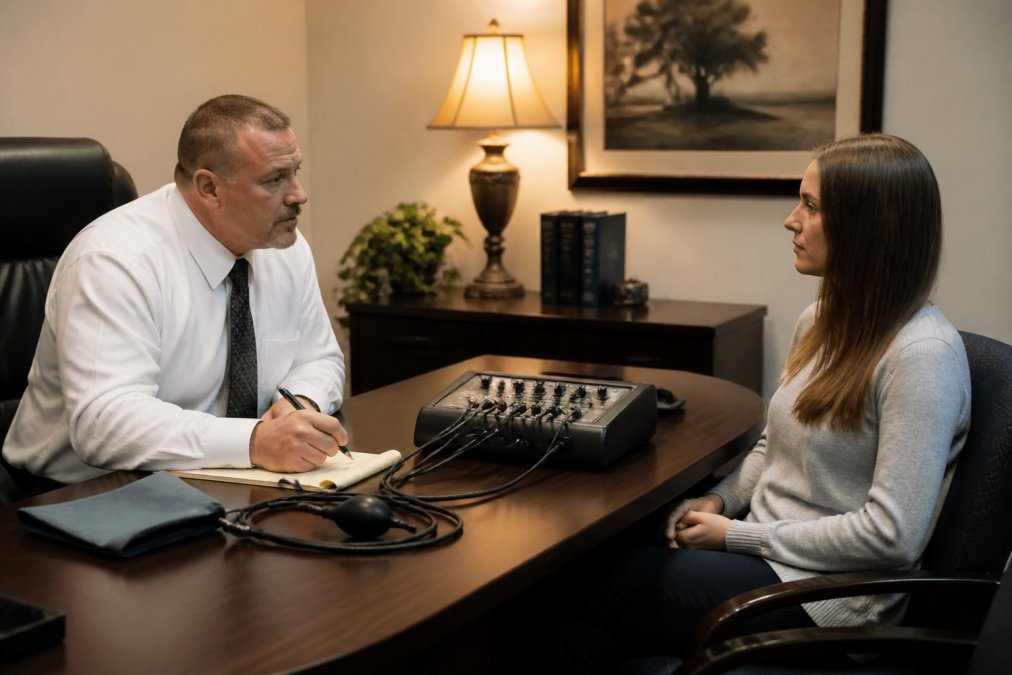
Every polygraph examination follows three distinct phases: the pre-test interview, chart collection, and data analysis. Skipping or rushing any one of them undermines the reliability of the entire test, which is why the American Polygraph Association standards treat all three as mandatory.
Pre-Test Interview
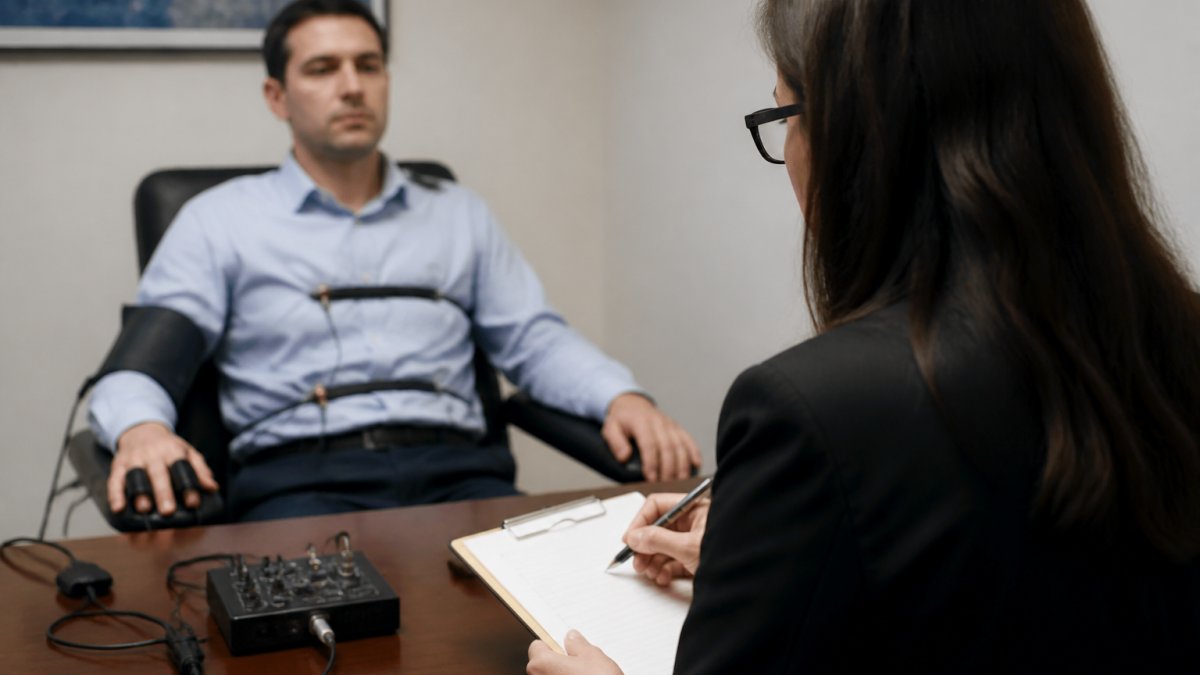
The pre-test interview is a conversation, not an interrogation. The examiner explains the procedure, reviews every question in advance, and confirms you consent to proceed.
This phase typically takes the longest and is where the examiner establishes your baseline and identifies any medical or psychological factors that could distort results. Be honest here: hiding a medication or a recent panic attack only makes your charts harder to read.
Chart Collection
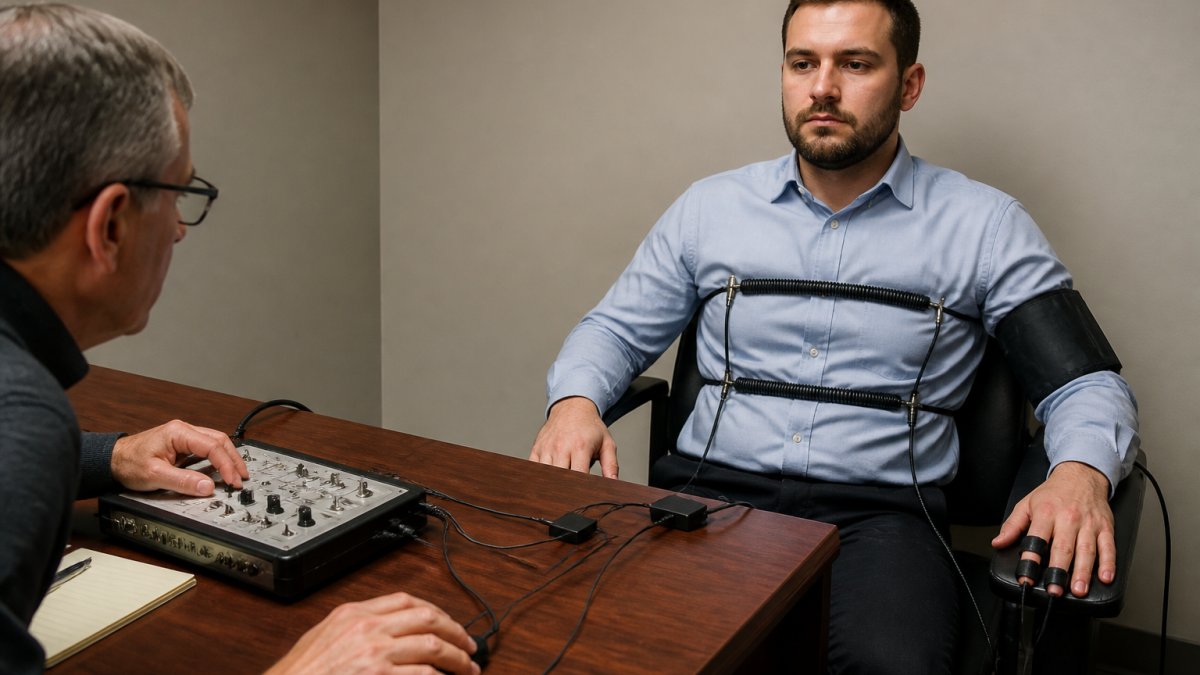
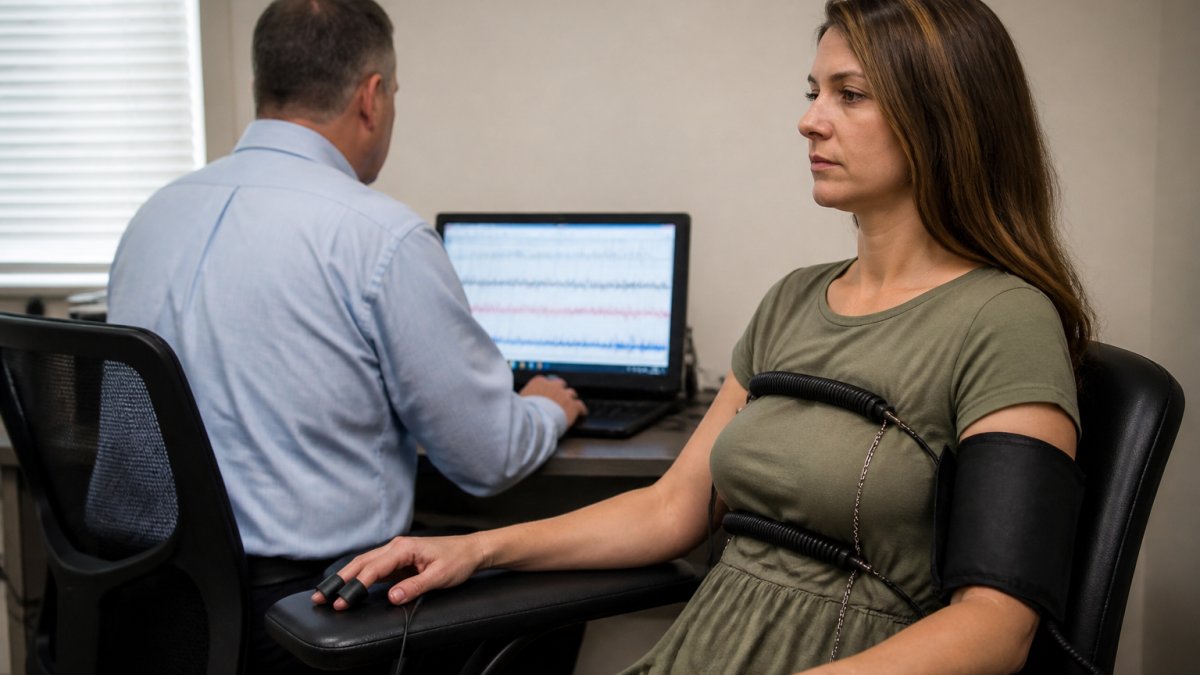
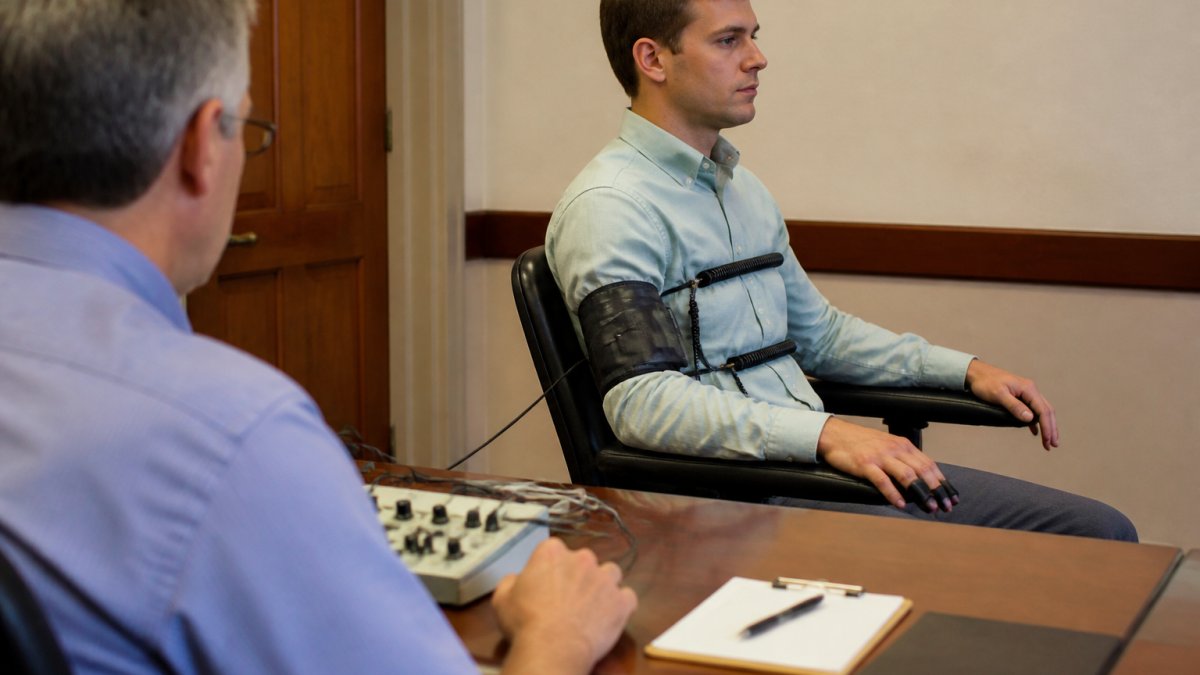
Chart collection is the recording phase, where sensors capture your physiological responses as questions are asked, typically recording respiratory rate, skin conductivity, cardiovascular activity, and blood pressure.
You answer only "yes" or "no," and most examiners collect two to three charts to compare consistency across runs. Movement, deep breathing, or sudden shifts in posture introduce noise, so sit still and breathe normally.
Data Analysis
Data analysis is where the examiner scores the charts against established numerical criteria, evaluating each physiological channel for significant reactions and comparing results across all charts.
Modern scoring relies on standardized protocols and clinical instrumentation, though subjective interpretation still plays a role. That is why the quality of the examiner matters more than the machine.
How Long Does a Polygraph Test Duration Usually Take?
A typical polygraph test duration runs 90 minutes to three hours, with chart collection accounting for roughly 20 to 30 minutes. The remainder goes to the pre-test interview, setup, and post-test discussion.
Several factors stretch or shorten the timeline:
- Case complexity: More questions require more review time before recording
- Number of charts: Two charts take less time than three or four
- Your comfort level: Nervous examinees often need longer baselines
- Scheduling: Single-session exams are standard; some cases split across two visits
If you are booking through API Polygraph, most examinations are completed in one confidential session, and you leave with a clear explanation of the findings the same day.
Polygraph Examination Questions: What You Will Be Asked
Polygraph examination questions fall into three categories: relevant, control, and irrelevant. Every question is reviewed with you before recording begins, so nothing is a surprise.
Relevant, Control, and Irrelevant Questions
Relevant questions address the specific issue under investigation, such as "Did you contact that person on the date in question?"
Control questions are designed to provoke a measurable response from almost anyone, giving the examiner a comparison point.
Physiological Responses Measured During the Test
The polygraph measures what your autonomic nervous system does, not what you say. Four channels are standard on most modern instruments.
- Respiratory rate: Chest and abdominal sensors track breathing depth and rate
- Skin conductivity: Also called galvanic skin response, this measures sweat gland activity
- Cardiovascular activity: A blood pressure cuff records heart rate and blood volume changes
- Peripheral blood flow: Some instruments also monitor blood flow in the fingertips
How to Prepare for a Polygraph Test
Preparing for a polygraph test means protecting the accuracy of the reading, not gaming it. The best preparation is honesty and physical calm, plus managing the anxiety that can create a false positive even when you have nothing to hide.
Physical Preparation
- Sleep normally the night before. Exhaustion distorts cardiovascular readings
- Skip caffeine and energy drinks on test day; stimulants elevate heart rate and skin conductivity
- Take your prescribed medications unless your examiner or physician says otherwise, and disclose them
- Eat a light meal a couple of hours before; low blood sugar increases anxiety
- Write down your concerns and bring them to the pre-test interview
- Avoid rehearsing answers to the point of unnatural delivery; scripted responses read as stress
Managing Anxiety So It Does Not Distort Your Result
The polygraph does not measure guilt; it measures arousal. An innocent person who is terrified of being disbelieved can produce the same physiological spike as a deceptive person, and that is how false positives happen.
Arousal is partly trainable. A few practical approaches help:
- Learn the questions before you feel them. Ask the examiner to read every question aloud, in order, and rephrase anything ambiguous. Surprise is what spikes a reading, not the question itself.
- Practice slow, even breathing in the days before, not just on test day. Box breathing, inhale for four, hold for four, exhale for four, hold for four, is a simple pattern most people learn in a week. The goal is not to control the machine but to keep your baseline steady so real reactions stand out.
- Name your fear out loud during the pre-test interview. If you are afraid of being called a liar, say so. A good examiner will factor it into your baseline; suppressing the fear tends to make it louder on the chart.
- Do not over-caffeinate your emotions either. Rehearsing answers for hours or reading every horror story online raises your resting arousal before you sit down. Treat the night before like you would before a medical test: normal routine, early bedtime, no doom-scrolling.
- Reframe the stakes. The examination is a data-collection procedure, not a verdict on your character. Examiners see inconclusive results regularly; believing one bad chart ends your life is itself a stressor.
What Not to Do
Do not take an unprescribed sedative, drink alcohol to calm down, or try breathing tricks you have never practiced. Each introduces a variable the examiner cannot account for and raises the odds of an inconclusive finding. The cleanest chart comes from a person who is rested, honest, and reasonably calm.
The Post-Test Interview Process and What Comes Next
The post-test interview process is where the examiner explains the findings and gives you a chance to address any significant reactions. If a chart shows a strong response to a specific question, the examiner will typically ask about it before finalizing the report.
Countermeasure Detection and Inconclusive Results
A false negative can also occur when a deceptive person produces flat, unremarkable charts. No test is perfect, which is why API Polygraph will never guarantee a specific result and will tell you upfront if testing is not the right fit for your situation.
What Happens After an Inconclusive or Deceptive Finding
Most guides stop at the result, but what happens next is often what matters most to you.
How Long Until You Get the Report
Timelines vary by provider and purpose. A single-session examination often produces a verbal summary the same day, with a written report within a few business days. Reports for legal or employment purposes take longer because they must meet documentation standards the requesting party specifies. If you need the report by a certain date, say so when you book.
What Matters Most Before You Sit Down
Walking into a polygraph examination without understanding the process is the surest way to walk out with an inconclusive result. The three phases, question types, physiological channels, and post-test debriefing all work together, and each depends on your cooperation and honesty.
Frequently Asked Questions
Can a truthful person fail a polygraph examination?
Yes, a truthful person can receive a false positive result. Anxiety, medical conditions, and certain medications can elevate physiological responses even when someone is being honest. That is why a certified examiner conducts a thorough pre-test interview to establish a baseline and reviews the entire chart collection before reaching any conclusion. If you are nervous about the test, tell your examiner upfront. They are trained to account for stress responses and will adjust the process accordingly.
What happens immediately after a polygraph examination is completed?
After the chart collection phase, the examiner analyzes the physiological data and then conducts a post-test interview. During this conversation, the examiner may ask you to explain any reactions that stood out. You will typically receive a verbal explanation of the results during the same session. If you need documentation for legal or professional purposes, API Polygraph can provide a written report. The entire post-test process usually takes 15 to 30 minutes.
How are physiological responses measured during a polygraph examination?
A polygraph instrument records several signals at once: respiratory rate through chest and abdominal sensors, skin conductivity (also called galvanic skin response) through finger plates, blood pressure and cardiovascular activity through a blood pressure cuff, and sometimes arm and leg movement. These sensors feed data into the polygraph system, which charts changes in your autonomic nervous system. The examiner compares your reactions to relevant, control, and irrelevant questions to identify patterns.
Are polygraph results admissible in court?
Admissibility varies by state and jurisdiction. Some courts allow polygraph evidence if both parties agree, while others exclude it entirely. In many cases, polygraph results are used during investigations, plea negotiations, or private matters rather than as standalone trial evidence. If you need results for a legal matter, work with an examiner who follows American Polygraph Association standards and can provide documentation. API Polygraph offers court-qualified expert testimony when a case requires it.